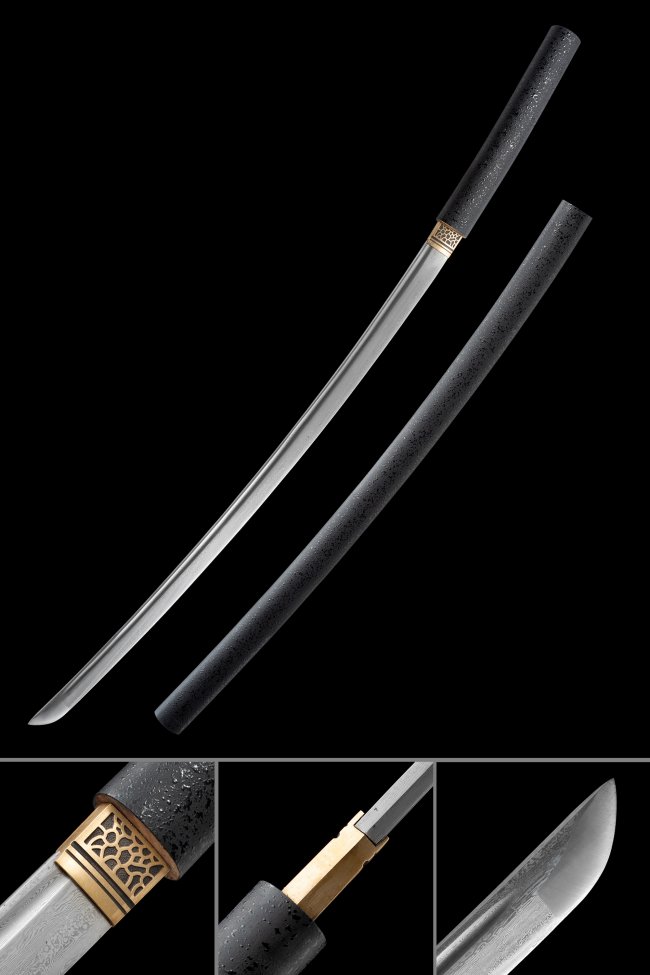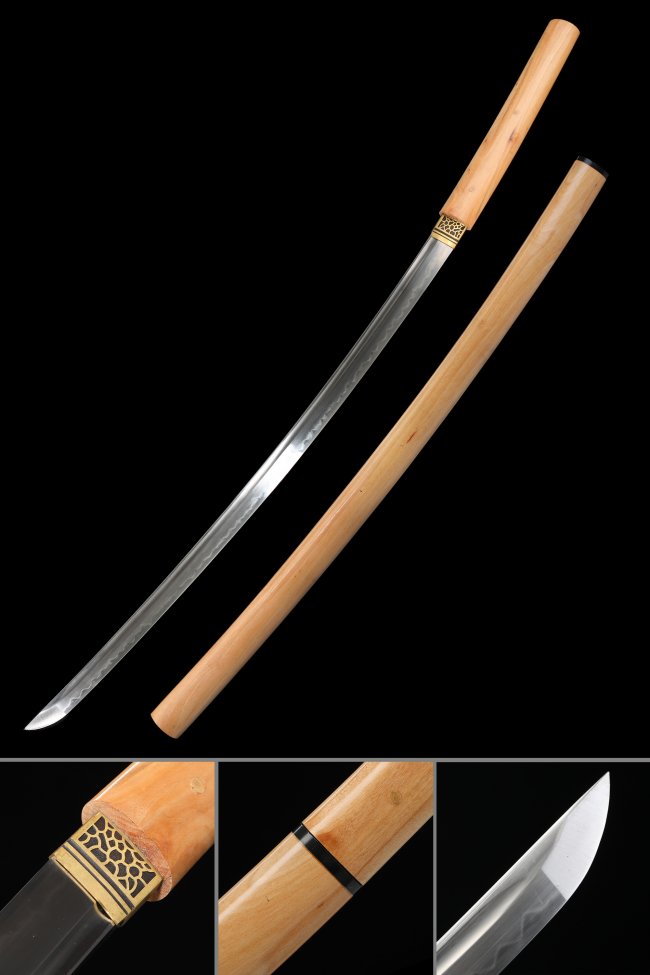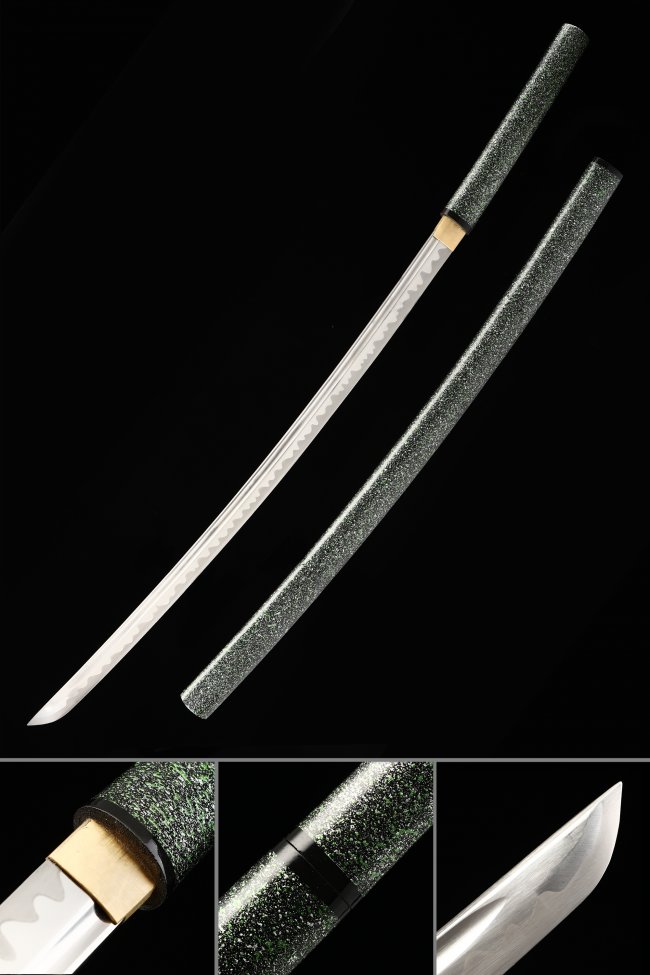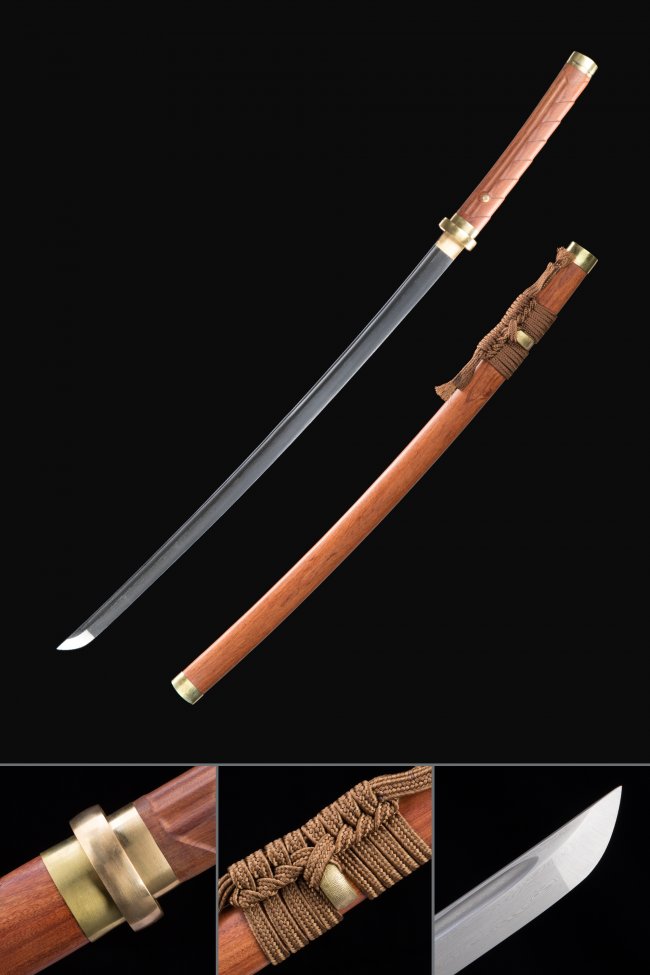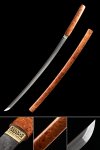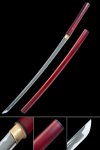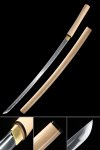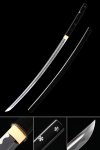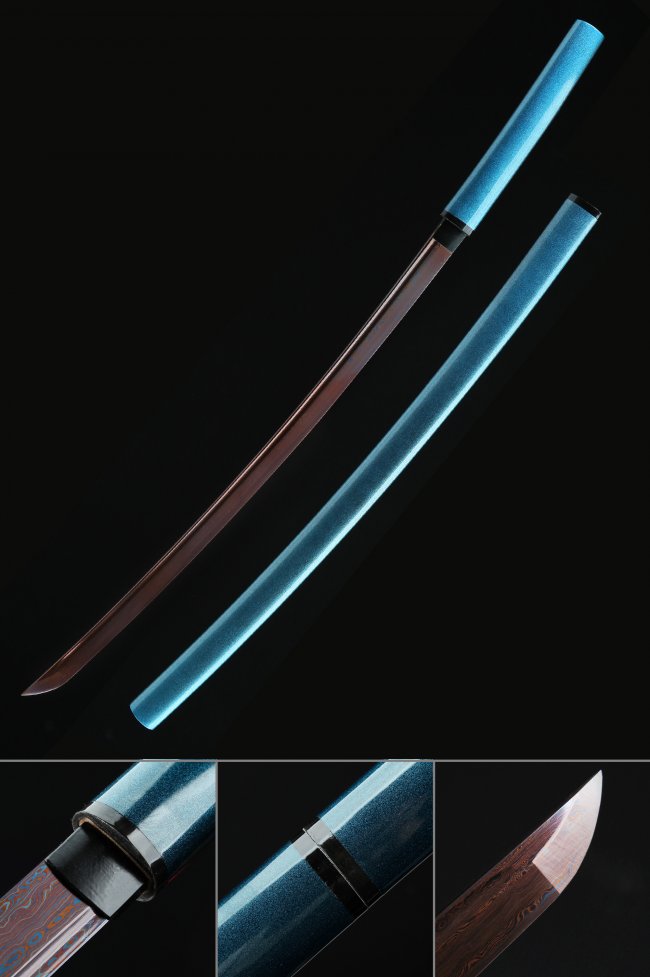
Guardless Katana
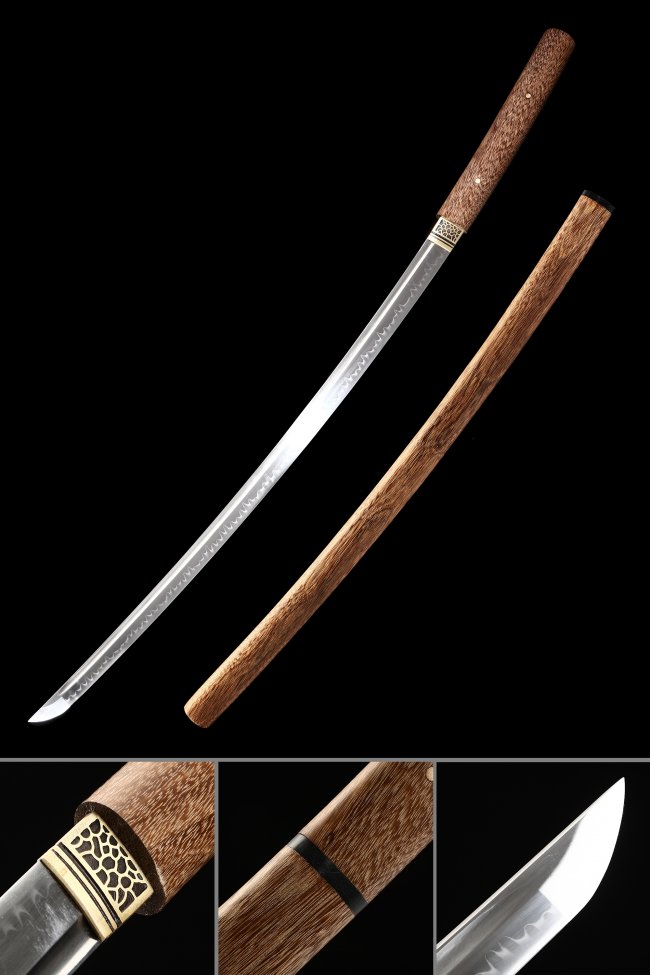
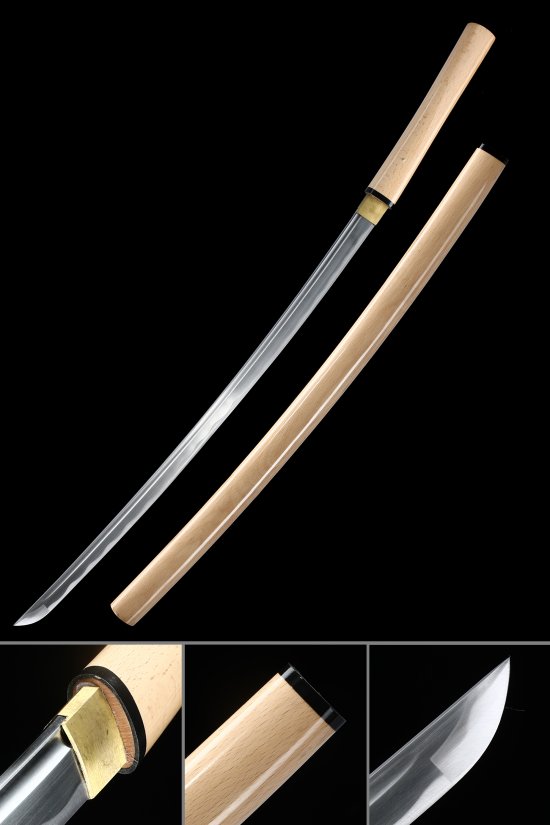
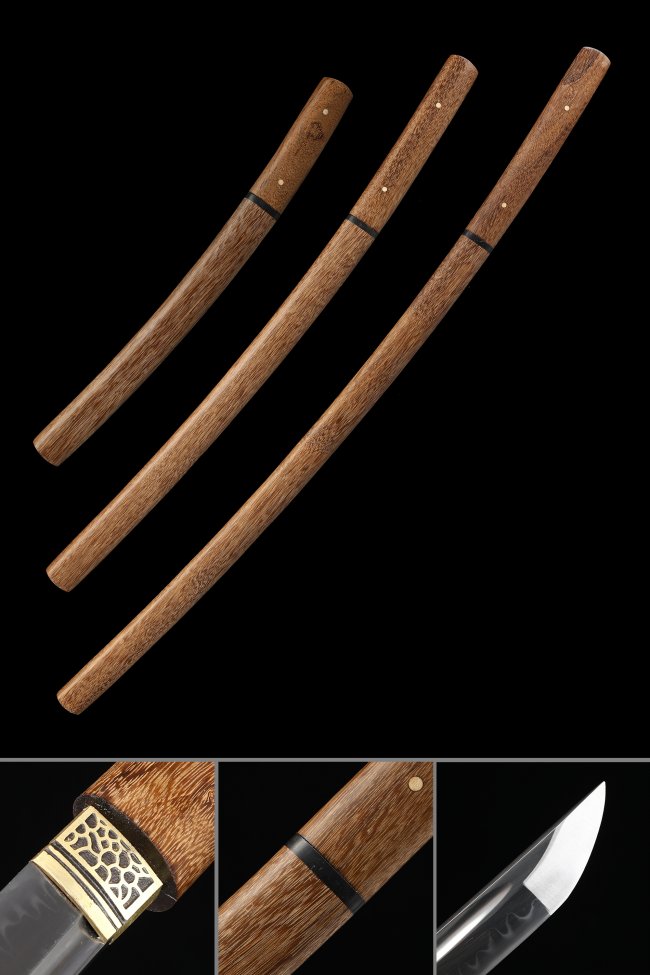
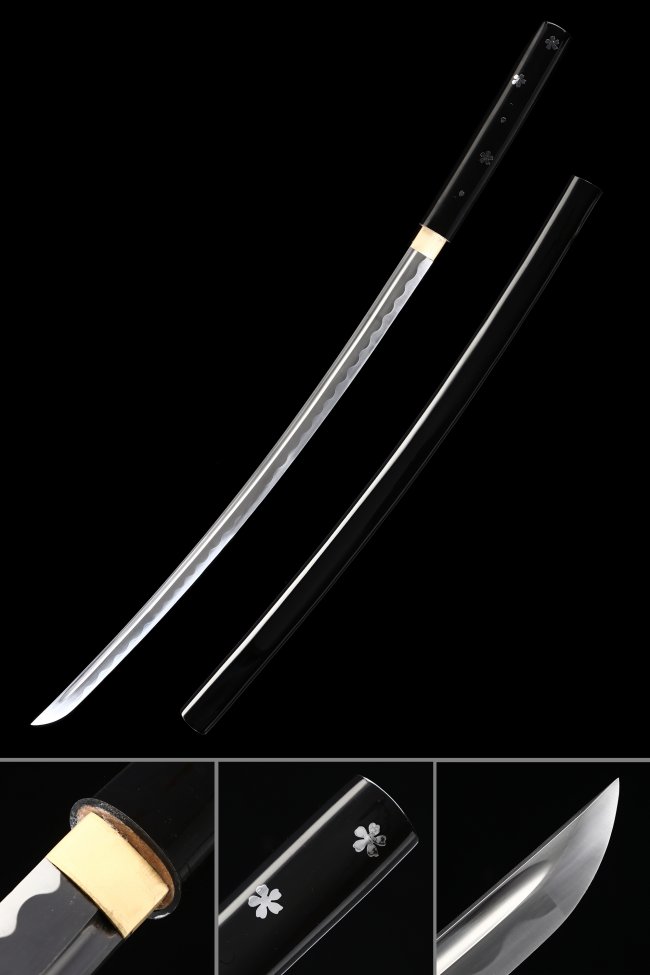
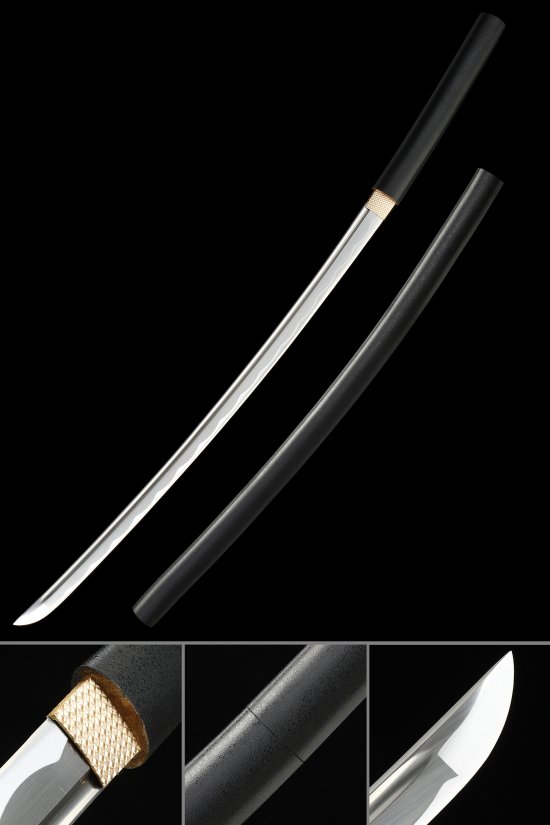
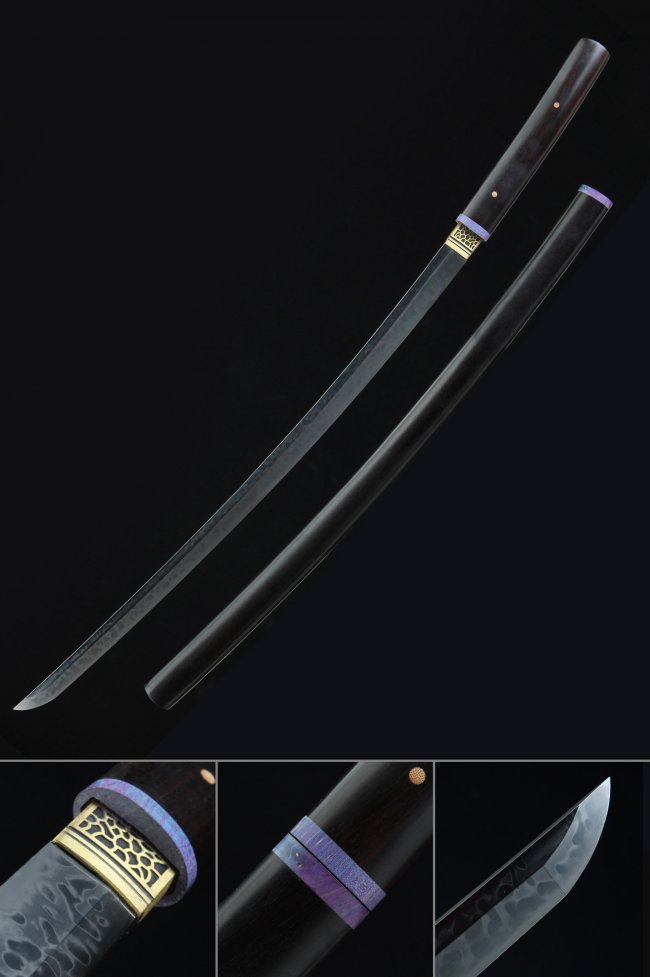
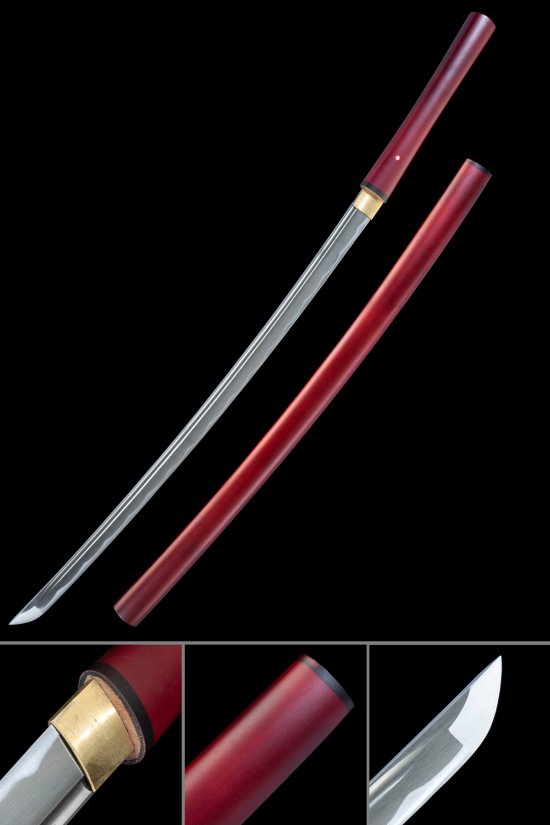
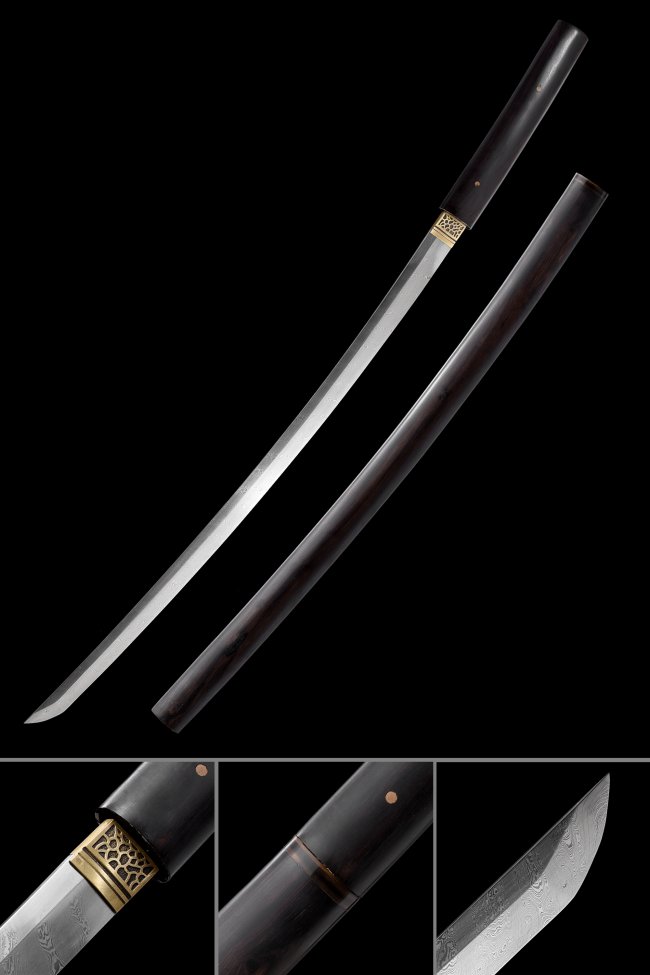
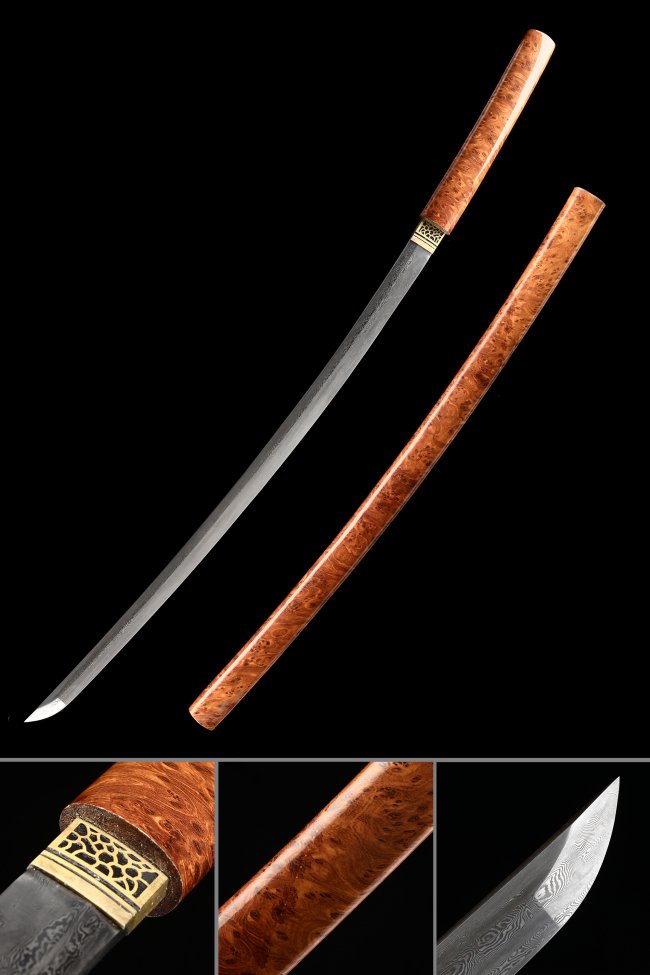
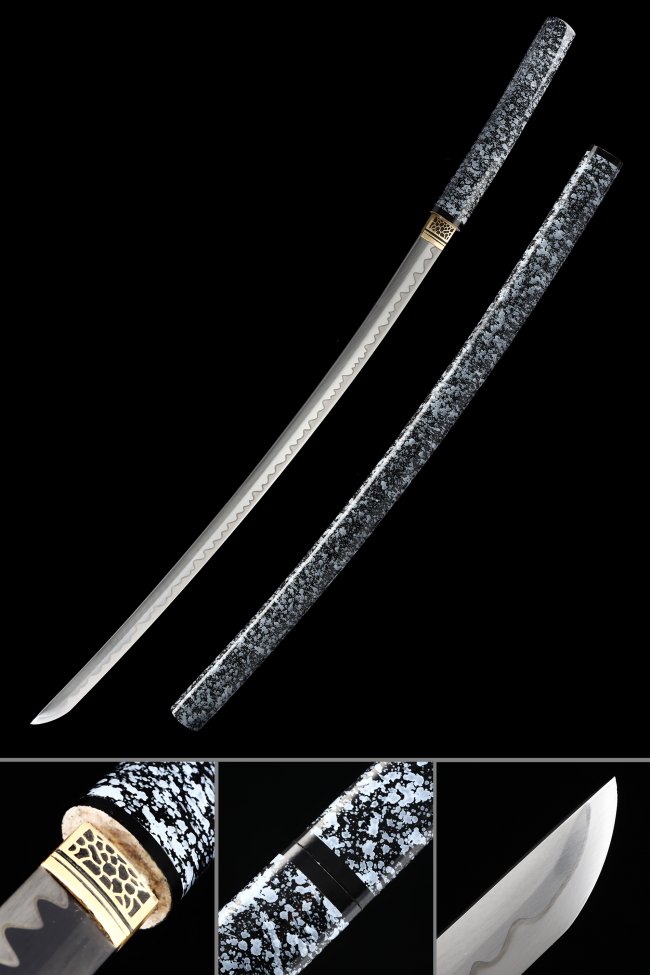
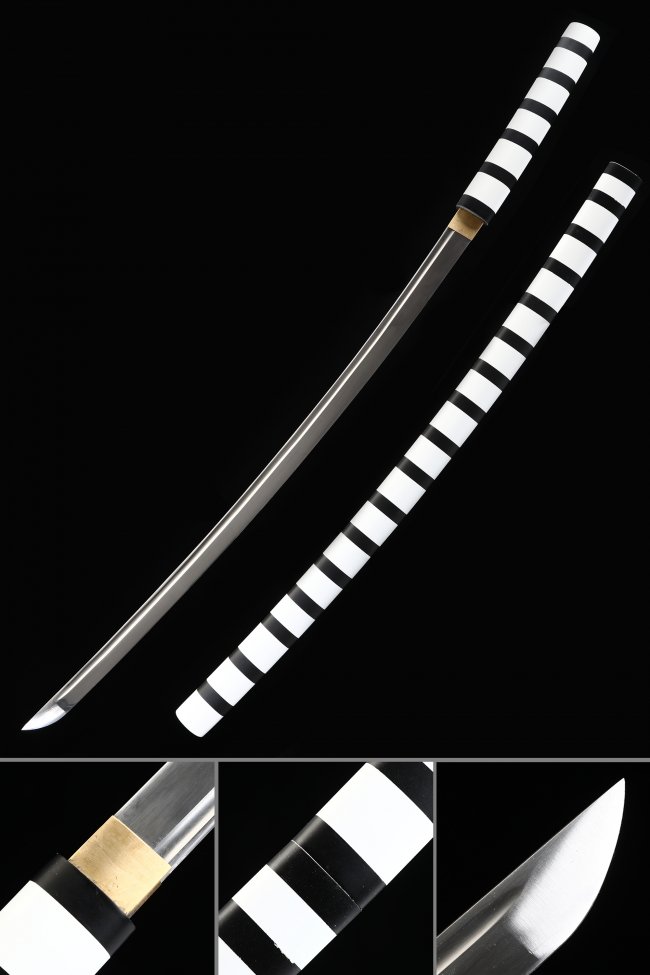
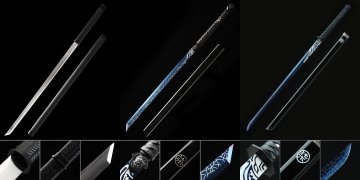
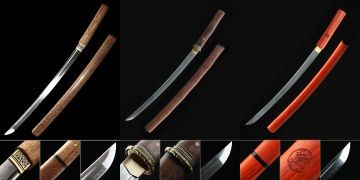
A guardless katana strips away the tsuba entirely, leaving nothing between the handle and blade but a clean, unbroken transition. The result is a sword with a distinctly sleek profile — lighter at the balance point, visually minimal, and rooted in Japanese blade traditions that predate the ornate fittings most people associate with samurai swords. Every piece in this collection is hand-forged from high-carbon steel with full-tang construction, built to the same functional standard as any guarded katana. The difference is purely in the aesthetic and the handling feel — a leaner, more stripped-down sword for collectors and practitioners who prefer form without excess.


Related Collections

Red Katana100 items

Japanese Samurai Tanto110 items

T10 Carbon Steel Katana30 items

Shirasaya Sword74 items
Frequently Asked Questions
What Exactly Is a Guardless Katana?
A guardless katana is a hand-forged Japanese sword that omits the tsuba — the round or square hand guard that normally sits between the blade and handle on a standard katana. Everything else about the sword can be entirely traditional: ray skin under silk or cotton ito wrapping on the handle, a lacquered wooden saya, menuki grip ornaments, fuchi and kashira end caps, and a full-tang blade of hand-forged carbon steel. The only thing missing is that one component at the blade-handle junction. What you get in return is a dramatically cleaner profile. The sword flows from blade to handle without a visual break, creating a sleek, streamlined silhouette that looks fundamentally different from a standard katana on a display stand or in the hand. This isn't some modern invention or a cost-cutting measure — guardless mountings have legitimate historical roots in Japanese sword craft. The aikuchi style, which features no guard at all, has been used on tanto and other short blades for centuries, and that tradition naturally extended to longer swords over time. Functionally, a guardless katana performs the same as any other katana of equivalent steel and construction quality. The blade doesn't know or care whether there's a guard behind it. Edge geometry, steel hardness, balance, and sharpness determine cutting ability, and all of those remain intact without a tsuba. What changes is the feel in hand — slightly more blade-forward balance, a cleaner draw from the saya, and a minimalist aesthetic that appeals to people who find traditional samurai swords visually busy or who appreciate the Japanese design philosophy of reduction to essentials. The guardless katana is the Traditional Katana pared down to its most essential form — all function, no ornamental excess, and a visual clarity that stands out precisely because of what it leaves out rather than what it includes. It's a sword that appeals to people who've seen enough katana to know what they like, and what they like is simplicity executed with precision — no filler, no unnecessary detail, just a well-made blade in a clean, purposeful mounting that gets out of its own way and lets the fundamental quality of the steel and construction do the talking.
Why Would a Katana Be Made Without a Guard?
There are several historical and practical reasons, and they overlap in interesting ways. Historically, guardless mountings were common on shorter blades like tanto that were carried as close-quarters personal weapons, sidearms, or concealed blades. For these uses, a protruding guard was actually a disadvantage — it caught on clothing during fast draws and added bulk that worked against the weapon's intended purpose as a compact, easily accessible tool. Over time, the clean aesthetic of guardless mountings developed its own following, and swordsmiths began applying the style to longer blades including full-length katana. There's also a practical dimension for martial artists. Some iaido practitioners prefer guardless katana for training because the absence of the guard forces more disciplined hand positioning and grip control. Without a metal disc to catch your hand if it slips forward, you develop a more conscious, precise grip that carries over into better technique overall. It's training with an intentional handicap that builds better habits. The visual appeal is arguably the biggest driver today, though. A Straight Katana Without Guard or a curved guardless katana both offer a minimalist profile that resonates with collectors who've moved past the phase of wanting the most ornate sword possible and started appreciating what a blade looks like when you strip away the decorative complexity. It's similar to the progression you see in other collecting fields — beginners tend to gravitate toward the most decorated, most visually complex options, and experienced collectors increasingly value restraint, subtlety, and clean execution over elaborate ornamentation. The Japanese Sword tradition includes both extremes, from heavily gilded ceremonial tachi to austere guardless blades that let the steel speak for itself, and the guardless katana sits firmly on the refined, understated end of that spectrum. There's a quiet confidence to a sword that doesn't need decorative fittings to make an impression, and that's what keeps drawing collectors back to this style once they discover it. The guardless katana doesn't try to impress you with ornamentation — it earns attention through the quality of what remains when the extras are gone, and for a growing segment of the sword community, that approach produces a more lasting satisfaction than any amount of decorative metalwork ever could.
Are Guardless Katana Safe for Cutting Practice?
Yes, with a small caveat worth understanding. For standard tameshigiri cutting — downward cuts, diagonal slashes, horizontal sweeps through rolled tatami or bamboo — a guardless katana is just as safe as a guarded one. The reason is simple: during these types of cuts, the force direction pushes your hand backward into the handle, not forward toward the blade. The tsuba's hand-stopping function isn't being tested in normal cutting technique because proper form keeps your grip anchored naturally. A Sharp Katana without a guard handles these cuts identically to its guarded counterpart — the edge does the work, and the missing guard has zero effect on cutting performance or safety during properly executed technique. Where the difference becomes relevant is during thrusting techniques — tsuki in Japanese terminology. A forward thrust into a hard target creates the specific scenario where a guard earns its keep: the sudden stop can cause your hand to slide forward if your grip isn't locked. Without a guard, nothing physical stops that forward motion. This is a real consideration, not a theoretical one, and practitioners who do a lot of thrusting work should be honest with themselves about whether their grip discipline is solid enough to handle it safely. Most experienced martial artists adapt quickly by developing a slightly more deliberate grip that accounts for the missing guard. It becomes automatic after a few practice sessions. Many actually find that the guardless sword improves their overall technique because it demands better fundamentals — no lazy grips, no relying on hardware to compensate for sloppy hand position. The blade quality matters more than the guard question for safety anyway. A Clay Tempered Katana with a properly hardened edge and tough spine will handle cutting stress reliably regardless of the mounting style. Make sure the steel and construction are sound, develop good grip habits, and a guardless katana will serve your cutting practice just fine for thousands of cuts. The sword doesn't care about its mounting when it meets the target — it cares about the edge angle, the steel hardness, and whether the person swinging it committed to the cut. Get those right, and the guardless version performs identically to any guarded katana you've used before.
What Steel Should I Choose for a Guardless Katana?
This depends on what you're planning to do with the sword, and the guardless mounting doesn't change the steel equation from what applies to any katana purchase. But there is one consideration unique to guardless swords that's worth knowing: the blade is more visually prominent on a minimalist mounting. Without a decorative tsuba competing for attention, people's eyes go straight to the blade, which means the surface quality and finish of the steel matters a bit more from an aesthetic standpoint. For display-focused pieces, 1095 Carbon Steel Katana blades with clay tempering are a strong choice because the vivid natural hamon is the visual centerpiece of the blade, and on a guardless mounting, that hamon gets maximum exposure without any fittings to distract from it. The bright, wavy temper line running along the edge against polished steel is one of the most compelling visual elements on any Japanese sword, and the guardless format puts it on full display. For functional cutting, 1060 is the practical starting point — tough enough for regular tameshigiri, resistant to bending, and priced reasonably enough that you won't wince every time the blade contacts a target. T10 Carbon Steel Katana options deliver premium performance with tungsten-refined grain structure that gives you excellent edge retention and toughness at high hardness. Damascus and folded steel options add visual interest through surface patterning that's especially effective on a guardless sword — the layered patterns of the blade become the primary decorative element of the entire sword, filling the role that elaborate tsuba and ornate saya artwork play on more heavily decorated pieces. If you're spending on a guardless katana with the intention of displaying it, invest in the steel. It's the one component that serves double duty as both the functional core and the main visual attraction on a minimalist mounting, and cutting corners on steel quality shows more clearly on a guardless sword than on one where decorative fittings draw the eye away from the blade. The good news is that higher-grade steel paired with a guardless mounting creates one of the most visually rewarding combinations in the entire katana world — premium blade craft with nothing between it and the viewer's eye.
Can a Guardless Katana Be Used for Iaido?
Absolutely, and there's actually a strong argument that guardless katana are particularly well-suited for iaido practice, though the mainstream iaido community primarily uses standard guarded katana or iaito training swords. The connection between guardless design and drawing technique goes back centuries — aikuchi and hamidashi mountings were originally favored on weapons designed for fast, concealed draws, where a protruding guard would catch on clothing or slow the presentation. That same fast-draw advantage translates directly to iaido, where the smooth, unimpeded draw from the saya is central to every kata. Without a tsuba catching at the koiguchi mouth of the scabbard, the draw is cleaner and slightly faster, which appeals to practitioners who value the purity of the drawing motion above all else. There's also a training benefit that experienced practitioners appreciate: the missing guard demands more precise hand discipline. On a Practice Katana with a full tsuba, it's easy to develop a slightly lazy grip knowing the guard will catch your hand if it slips forward. On a guardless sword, that safety net is gone, which forces you to be more deliberate about hand positioning throughout every movement. Over months of practice, this translates into cleaner fundamentals that carry over when you pick up a guarded sword again — your grip is tighter, your awareness is sharper, and your movements are more precise because you trained without relying on hardware to compensate for technique. Not every iaido dojo will be comfortable with students using guardless katana, especially at the beginning levels where grip discipline is still developing. It's worth discussing with your instructor before bringing one to class. But for home practice or for advanced students looking to refine their technique beyond what standard equipment allows, a guardless katana offers a focused training experience that's hard to replicate with conventional tools. Pair it with an Authentic Japanese Katana in standard mounting for your regular training, and use the guardless version as a supplementary practice tool that pushes your fundamentals to the next level through deliberate challenge rather than comfortable repetition. The training benefit is real and measurable — practitioners who spend time with guardless swords consistently report sharper awareness of their hand positioning when they return to standard equipment, and that kind of skill transfer makes the guardless katana a genuinely useful tool in any serious iaido practitioner's collection.
How Does a Guardless Katana Compare to a Standard Katana?
The blade is identical. Everything that makes a katana a katana — the curved, single-edged blade, the two-handed handle, the hand-forged carbon steel, the full-tang construction, the traditional heat treatment — is exactly the same on a guardless version. The difference lives entirely in the mounting, specifically the presence or absence of the tsuba and how that one change ripples through the sword's visual character, balance, and handling feel. With the tsuba removed, a guardless katana is slightly lighter overall — typically by a few ounces depending on what the guard would have been made from. The balance point shifts marginally toward the blade, which gives the sword a slightly more tip-forward feel in the hand. During cutting, this translates to a bit more authority in tip-focused techniques and a slightly different rhythm through the cut. It's not a dramatic difference — we're talking about the removal of one relatively small component — but experienced practitioners can feel it, and some actively prefer the blade-forward balance for its responsiveness. Visually, the two swords occupy different worlds. A samurai sword with a sculptural dragon tsuba, ornate menuki, and decorated saya projects craftsmanship through complexity and artistic detail. A guardless katana projects craftsmanship through restraint and precision — the clean joints, the undisturbed lines, the quality of materials speaking for themselves without decorative ornamentation amplifying the message. Neither approach is better than the other; they represent different philosophies within the same tradition. Many collectors own both types and display them together, using the contrast between ornate and minimal to create a more interesting visual narrative than either style achieves on its own. A Folded Steel Katana without a guard lets the blade's natural surface pattern do all the visual talking, while the same blade in full traditional mounting shares attention with the fittings. Different moods for different purposes, and that's the real answer to the comparison question — it's not about better or worse, it's about what kind of statement you want the sword to make in your collection. Owning both a guardless and a fully mounted katana gives you the range to display different moods at different times, and that versatility is part of what makes the guardless version such a valuable addition to any collection that already includes traditionally mounted swords.
Can I Cut with a Guardless Katana?
You can, and plenty of people do. A guardless katana with the right steel and construction is a fully functional cutting sword that handles tameshigiri targets — rolled tatami mats, bamboo, water bottles — with the same performance you'd expect from any well-made katana of equivalent blade quality. The missing guard is a mounting detail, not a performance limiter. The blade doesn't cut any differently without a tsuba behind it. What you need to confirm before buying for cutting purposes is the same set of specs that apply to any functional katana: full-tang construction, carbon steel at 1060 Katana grade or higher, and a properly sharpened edge. Those three elements determine cutting ability, and all of them are independent of whether the sword has a guard. During a standard downward or diagonal cut, the force pushes your grip backward into the handle. The tsuba isn't doing anything useful in that scenario — it's just sitting there. Your hands, the ito wrapping, and the handle geometry are what keep you in control. The one cutting scenario where the missing guard becomes relevant is thrusting into hard targets, where a sudden stop can push your hand forward. For standard tameshigiri practice, which is overwhelmingly focused on cutting rather than thrusting, this is rarely an issue. Experienced cutters develop a slightly more intentional grip with guardless swords that eliminates any forward-slip risk through technique rather than hardware. Maintenance after cutting is identical to any carbon steel katana. Clean and oil the blade immediately after use, check the habaki seating and handle tightness periodically, and store properly between sessions. A Real Hamon Katana in guardless mounting will display a vivid temper line along the edge that proves the blade was properly clay tempered and differentially hardened — hard edge for cutting, tough spine for resilience — the same performance characteristics you'd find on any guarded katana with the same treatment. At the end of the day, what makes a katana cut well is the blade, the edge, and the person behind it — not whether there's a piece of metal sitting between the handle and the steel.
Are Guardless Katana Good Gifts?
They make excellent gifts, especially for recipients who lean toward clean, modern aesthetics or who already collect swords and would appreciate something outside the typical ornate katana format. The guardless design carries a certain sophistication that communicates thoughtfulness in the gift selection — it says you chose something specific and intentional rather than grabbing the flashiest sword on the page. For recipients who are into Japanese culture, martial arts, or minimalist design, the guardless katana hits multiple interest points simultaneously: genuine craftsmanship, cultural authenticity, functional capability, and a visual restraint that's easy to display proudly in any room. The all-black guardless version is the safest gift choice because it works universally — any decor, any room, any taste level. But if you know the recipient's color preferences, matching the saya and ito to their personal style adds a personal touch that generic gifts can't match. The Best Katana gift is the one that fits the specific person receiving it, and the range of guardless options gives you enough variety to find that fit. For recipients new to Japanese swords, the guardless katana is actually a strong entry point because the clean design is less intimidating and more approachable than a heavily decorated traditional katana. It reads as an art object first and a weapon second, which makes it easier for someone without sword experience to imagine displaying it in their home without feeling like they've installed a weapon on their wall. Budget-wise, guardless katana span the same price range as standard mounted katana, so you can find options from affordable display pieces to premium functional blades depending on your gift budget. Pair a guardless katana with a matching guardless tanto or wakizashi from a Katana Set collection to create an especially impressive gift package that looks curated and complete, giving the recipient an instant two-piece display rather than a single sword they need to figure out how to present on its own. The clean, modern look of a guardless set also means the gift won't feel out of place in any home — it arrives ready to display without requiring the recipient to rethink their decor around it, which is a practical advantage that heavily themed or brightly colored katana can't always claim.
What's the History Behind Guardless Japanese Swords?
The guardless mounting tradition in Japan stretches back centuries and has roots in practical necessity rather than artistic fashion, though the aesthetic appeal eventually became a driving force in its own right. The aikuchi — the fully guardless configuration — originated primarily on tanto and other short blades during the Kamakura period and continued through the Muromachi and Edo periods. These short weapons were carried as personal sidearms, backup weapons, or concealed blades, and a protruding guard was a genuine hindrance for their intended use. Drawing a weapon from inside a kimono or from a concealed position is significantly easier without a guard catching on fabric, and the compact profile of a guardless mounting allowed the weapon to sit closer to the body without creating obvious bulges that would reveal its presence. The hamidashi — with its minimal guard — developed as a middle ground, offering a token nod to hand protection while maintaining most of the guardless profile's advantages. Both styles were considered entirely legitimate mountings by swordsmiths and their patrons. There was never a stigma attached to guardless swords as inferior or incomplete. Some of the finest samurai swords in Japanese history were mounted in aikuchi or hamidashi style, and certain blade schools and regional traditions actually favored these mountings for their specific aesthetic and functional characteristics. Over time, the guardless aesthetic developed associations with refinement and connoisseurship. Where a heavily decorated sword with an elaborate tsuba broadcast wealth and status through visible complexity, a guardless sword in quality materials communicated taste and discernment through restraint — the confidence to let the blade speak for itself without decorative support. This cultural nuance still resonates with modern collectors who choose Authentic Japanese Katana in guardless mountings not because they're cheaper or simpler, but because they represent a particular philosophical approach to the sword that values essence over ornament. The historical tradition validates what many contemporary collectors feel intuitively: that sometimes the most powerful design statement is the one that knows what to leave out. Understanding this history enriches the ownership experience, because a guardless katana on your display shelf isn't just a minimalist design choice — it's a connection to a centuries-old Japanese tradition that understood restraint as its own form of sophistication long before modern design culture caught up to the same idea.
Customer Reviews
Beautiful katana, well built. No rattle in handle, perfectly straight blade. It come decently sharp. Not as sharp as I would like. Overall it's a beautiful piece of art. I also recently purchased the matching Tanto. Just waiting for it to arrive
![]() |
Damascus Steel Shirasaya Katana with Clay-Tempered Real Hamon in Natural Hardwood Saya - Full Tang Collectible |
I recently received my second purchase from TrueKatana, and it is just as wonderful as my first one. This time, I bought the Hand-forged 1045 carbon steel shirasaya katana with dark red saya, and it is a beauty! The quality is superb! Everything is perfect! The balance, the aesthetics, the attention to detail.Thank you, TrueKatana!
![]() |
1045 Carbon Steel Shirasaya Katana with Dark Red Matte Hardwood Saya - No Tsuba Design |
Such a well made sword. The woodin, scabbard and handle go so well together!
![]() |
1065 Carbon Steel Shirasaya Katana with Natural Wood Saya - Handmade, Full Tang Blade |
The first one was damaged, but they did replace it.
![]() |
T10 Carbon Steel Shirasaya Katana with Clay-Tempered Real Hamon in Natural Wengewood Saya |
Super nice and good looking display piece, that's why i got it, probably not good at cutting and it doesn't really look stable enough to do so. but the wax in the saya is awful. Everytime you sheath it and take it out you gotta clean half a pound of wax off which is super annoying especially after you clean it. r
r
I personally wont be buying any blades from this website if i actually want to cut something harder than like a cantaloupe haha. r
r
Sorry for the bad talk but this is just the truth, also if you wanna see if a company has good stuff or not, check reddit.
![]() |
O-Ren Ishii Sword - Kill Bill Shirasaya Katana Hattori Hanzo 1065 Carbon Steel Silver Flower Handle |
The only recommendation I will make is please upload the physical dimension specs of the swords -- it would help with people who want to make custom stands or mounts. Otherwise these look lovely and are quality pieces I am glad I purchased. r
r
Very much "adult" style of katana, classy, and tasteful for my wall.
![]() |
T10 Clay Tempered Daisho Set - Shirasaya Katana Wakizashi Tanto in Rosewood with Real Hamon 3-Piece Collection |
I love the sword thank you so much for the time and energy into making it💯💯
![]() |
O-Ren Ishii Sword - Kill Bill Shirasaya Katana Hattori Hanzo 1065 Carbon Steel Silver Flower Handle |
Very pleased with the quality the order.was shipped promptly too.very sharp too so be careful kiddos.
![]() |
T10 Carbon Steel Shirasaya Katana with Clay-Tempered Real Hamon in Natural Wengewood Saya |