Antique Chokuto

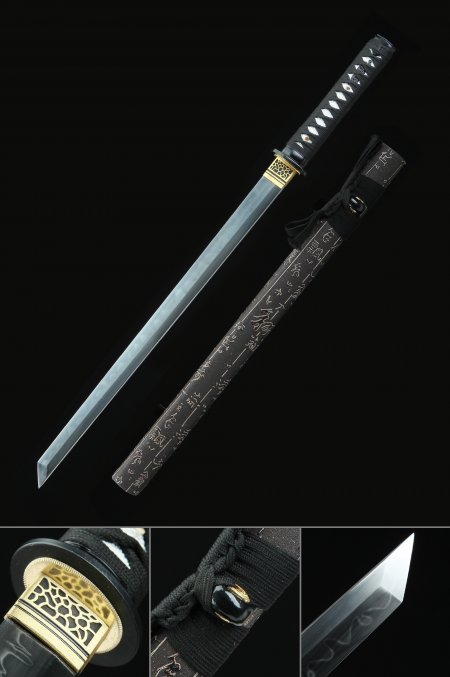
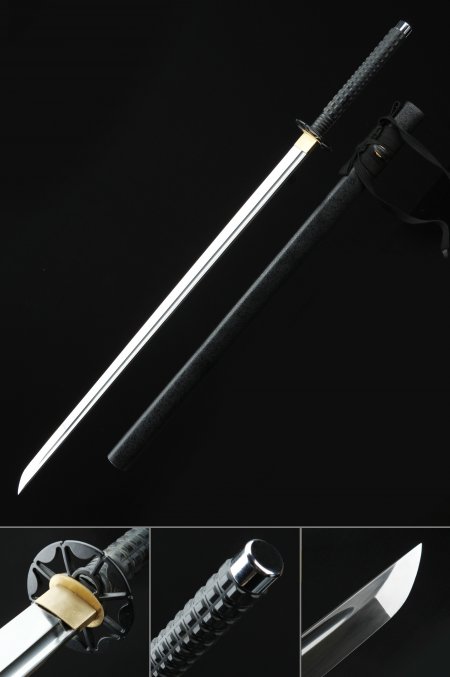
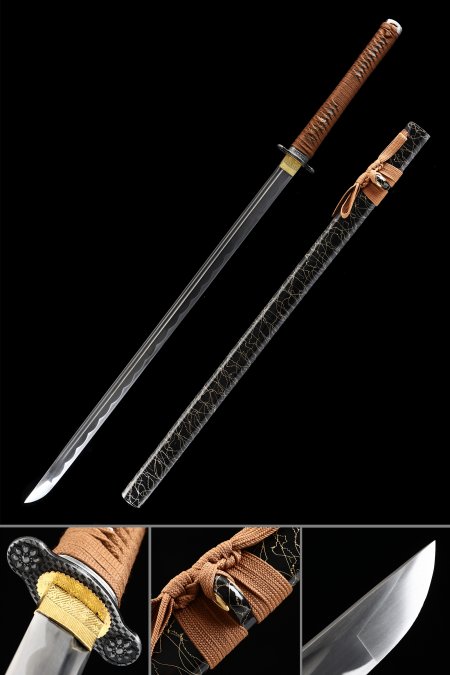
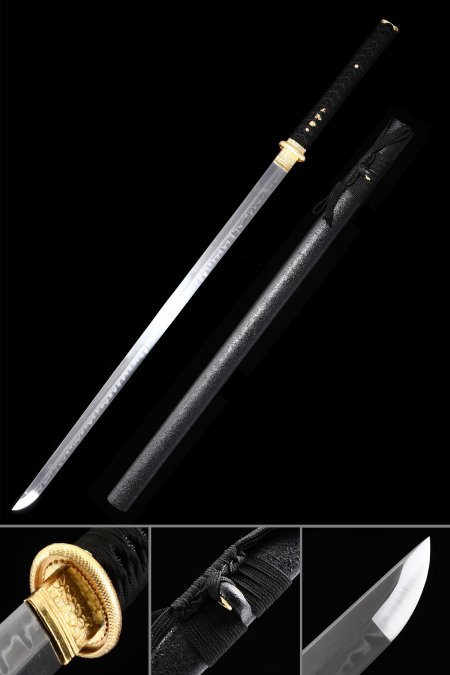
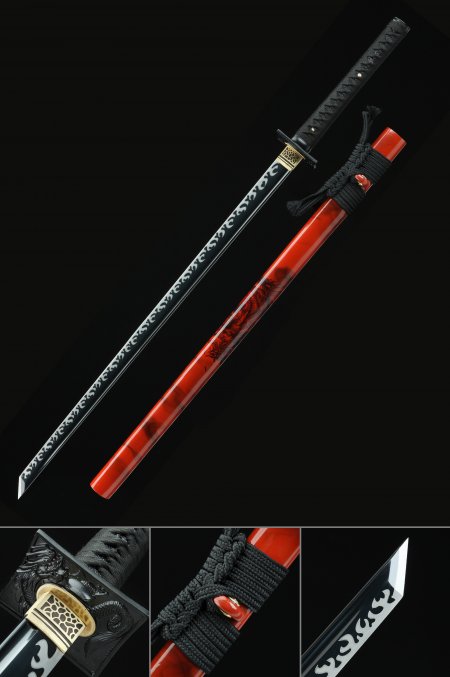
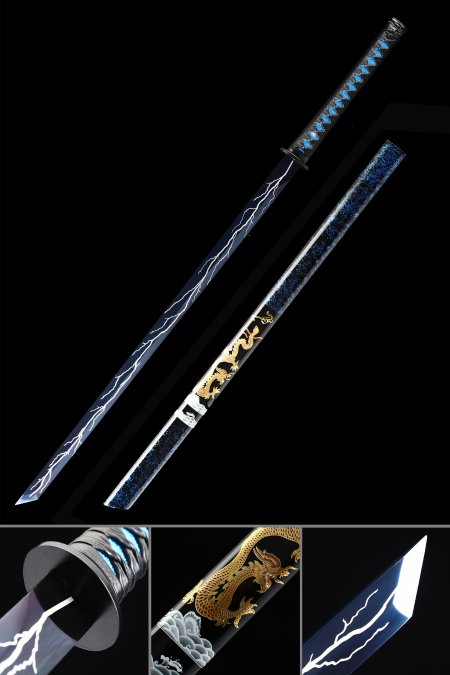
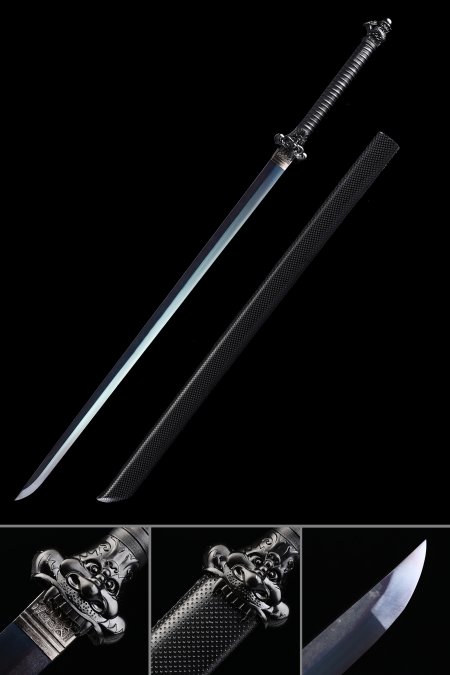
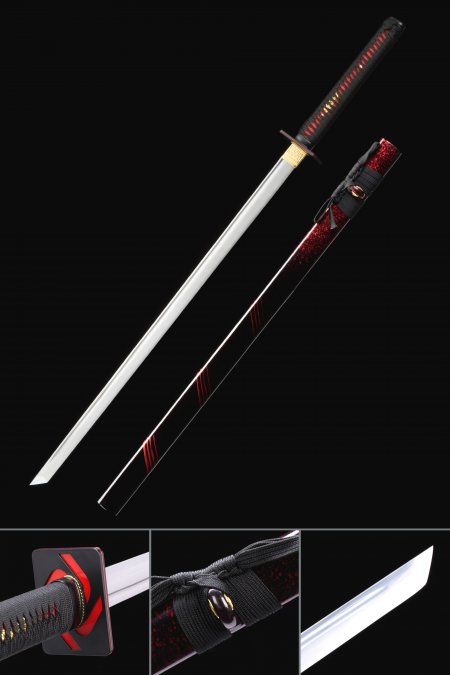
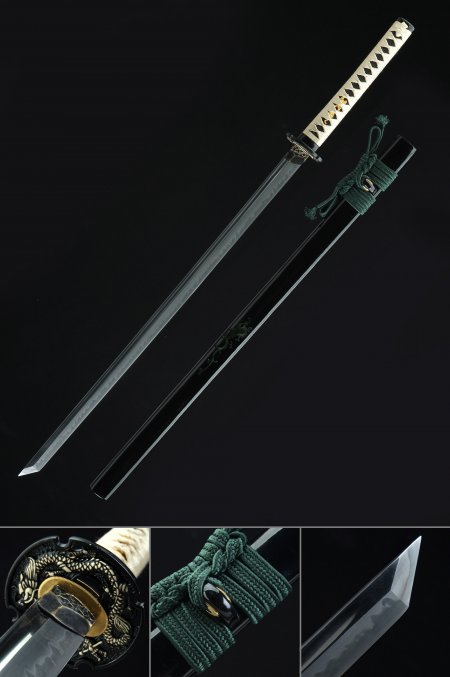
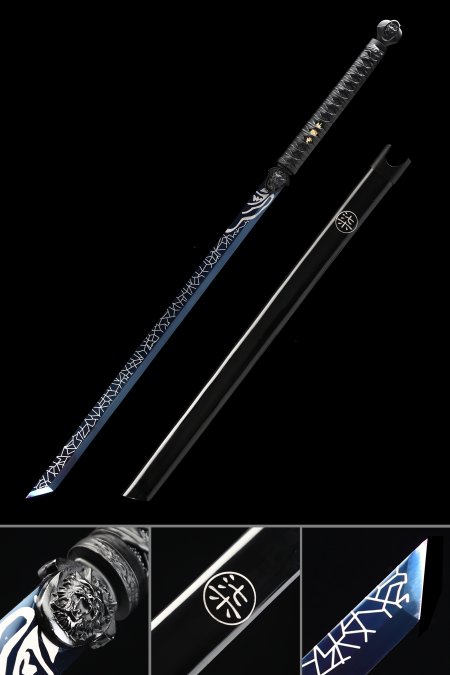
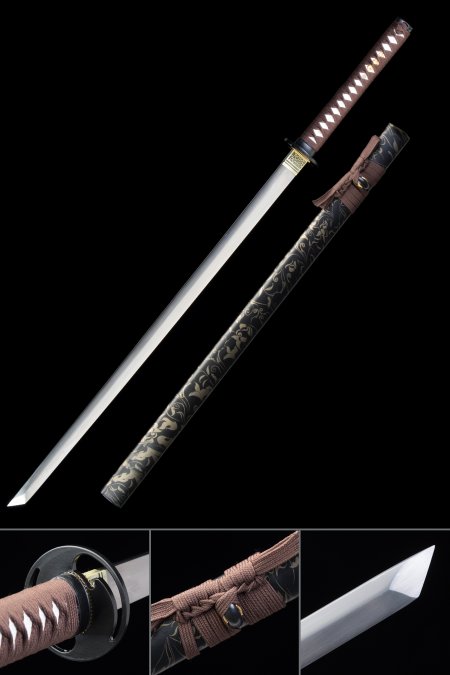
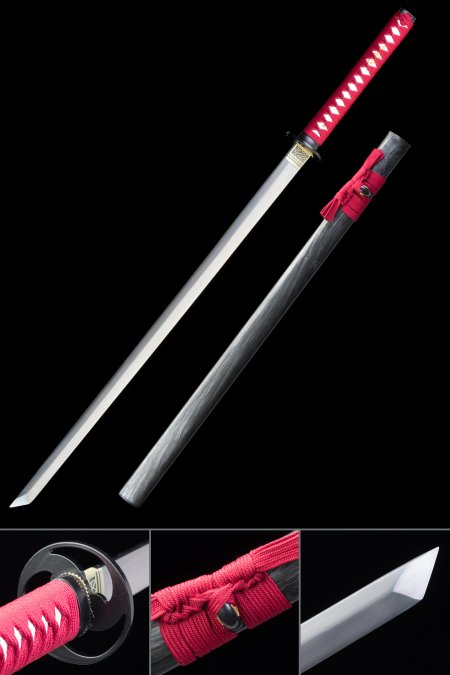
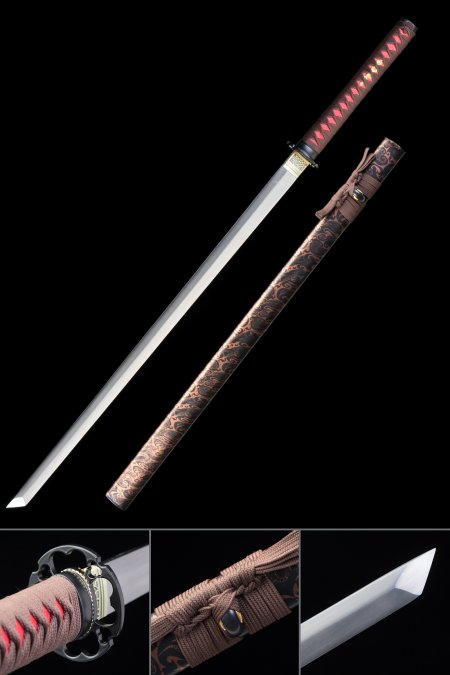
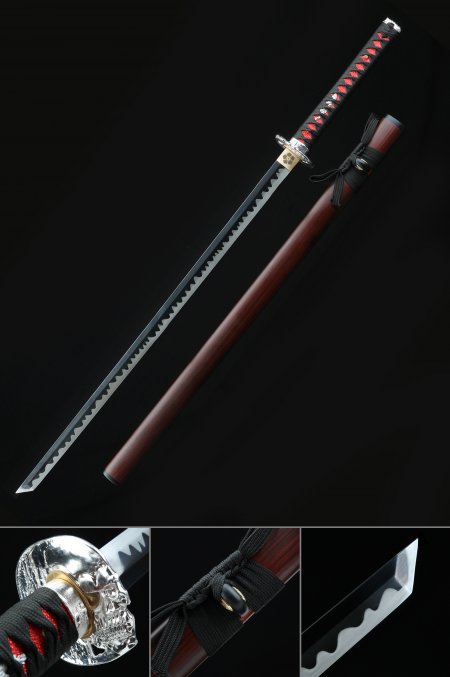
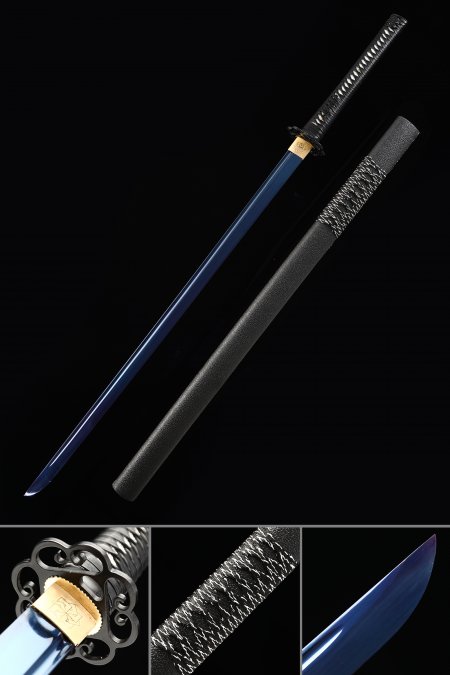
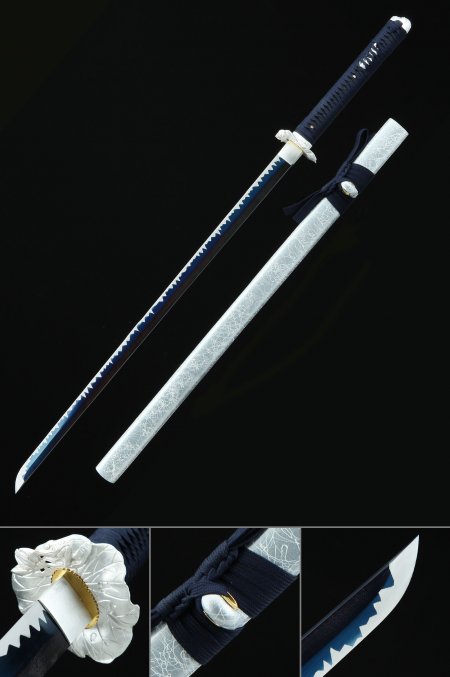
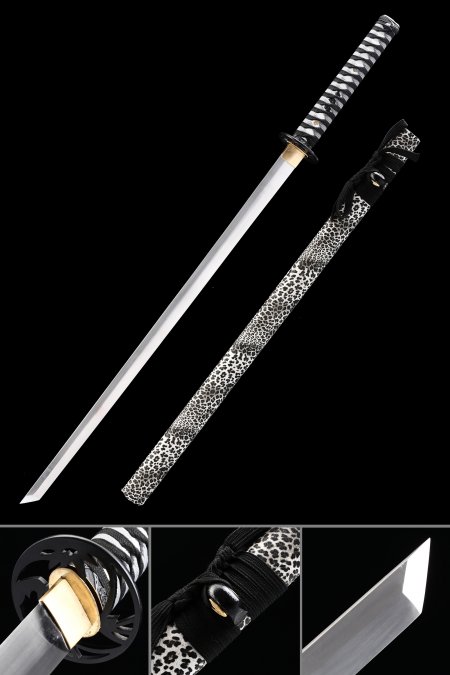
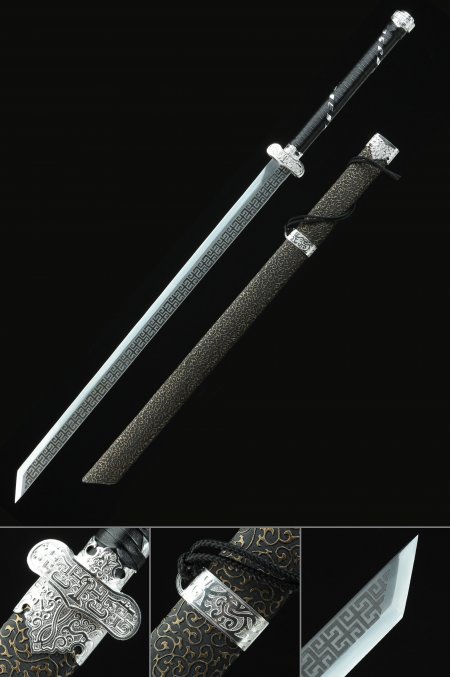
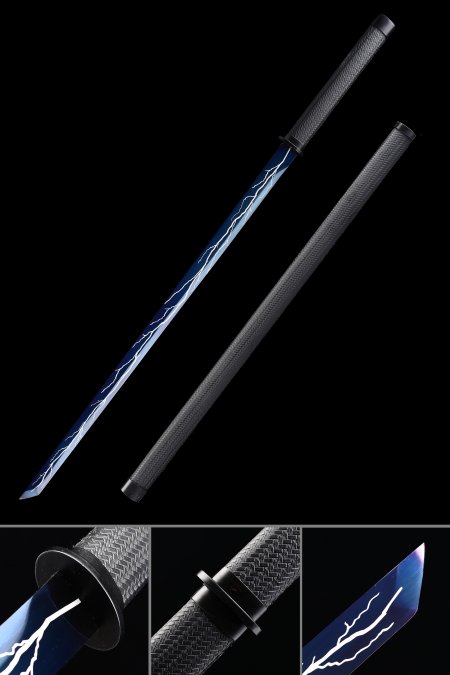
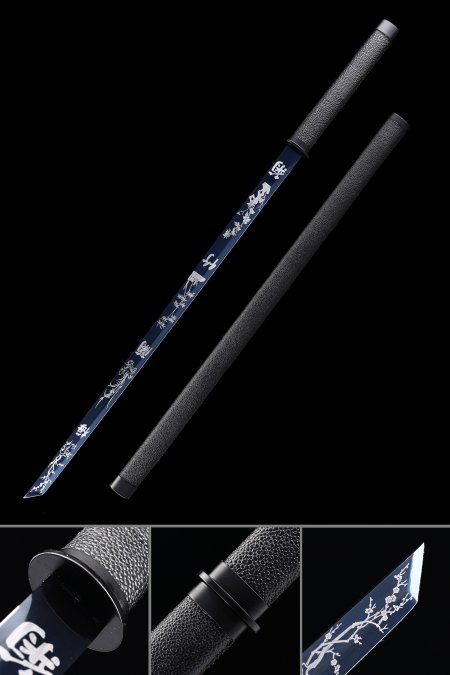
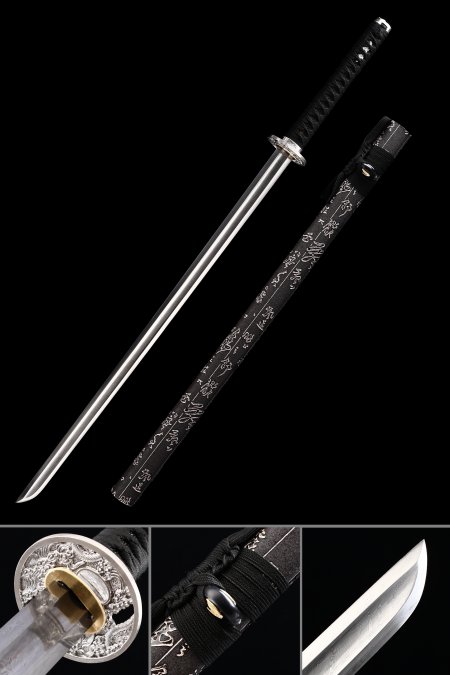
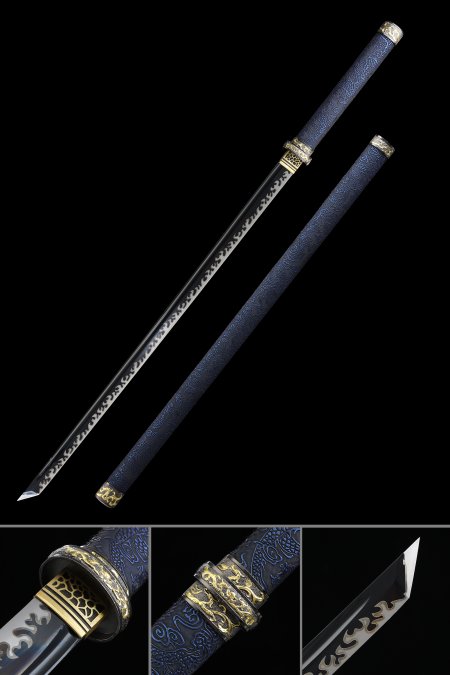
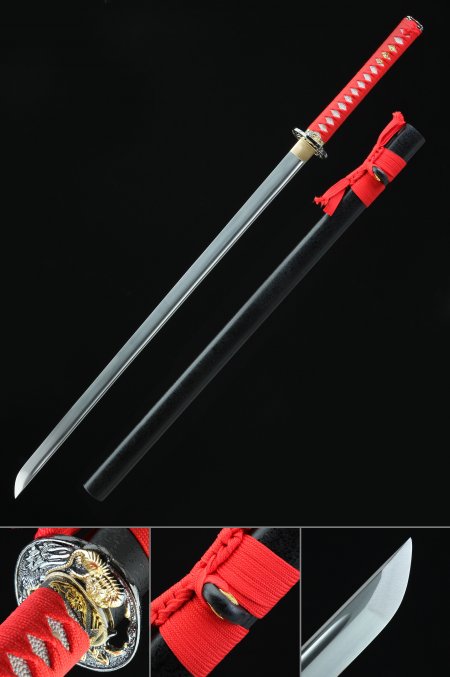
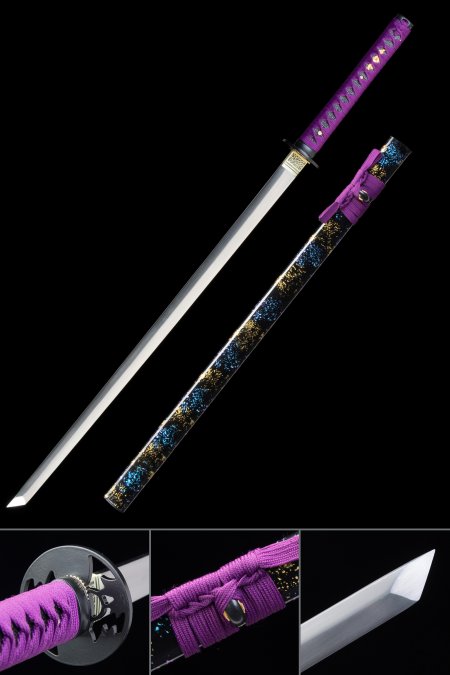
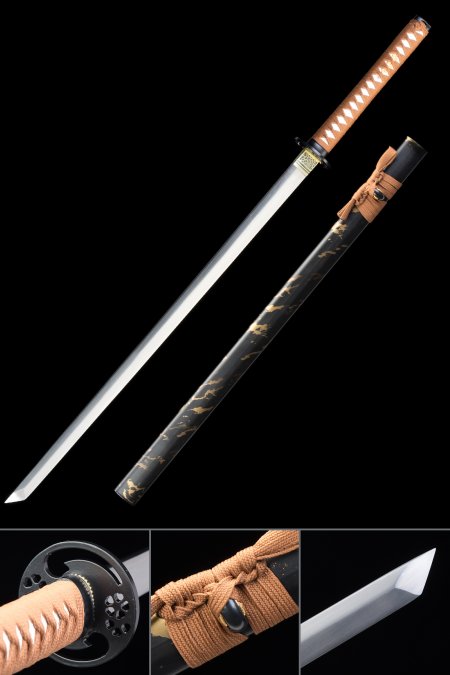
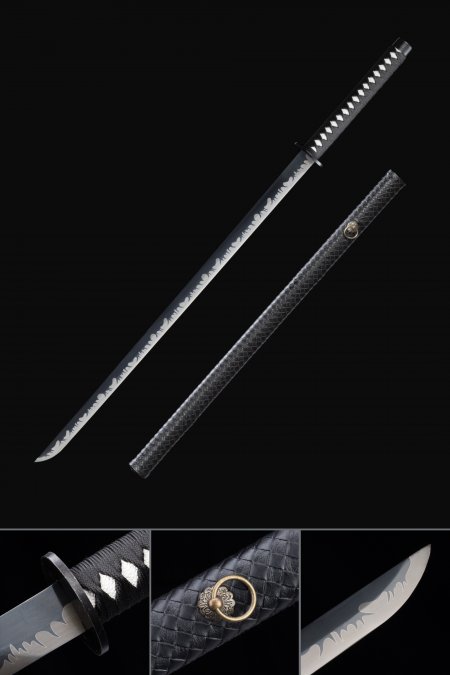
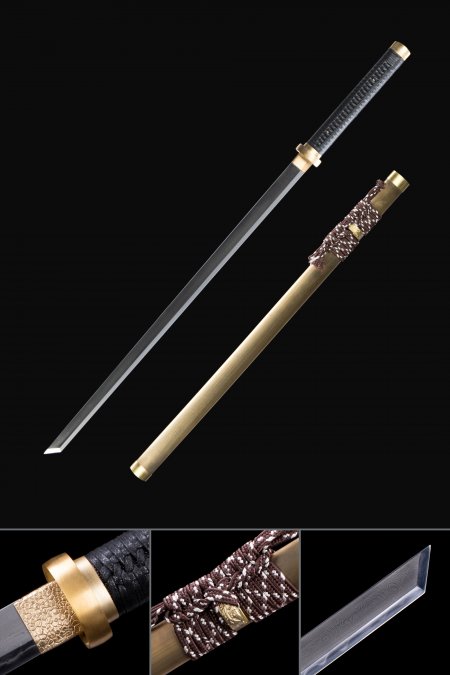
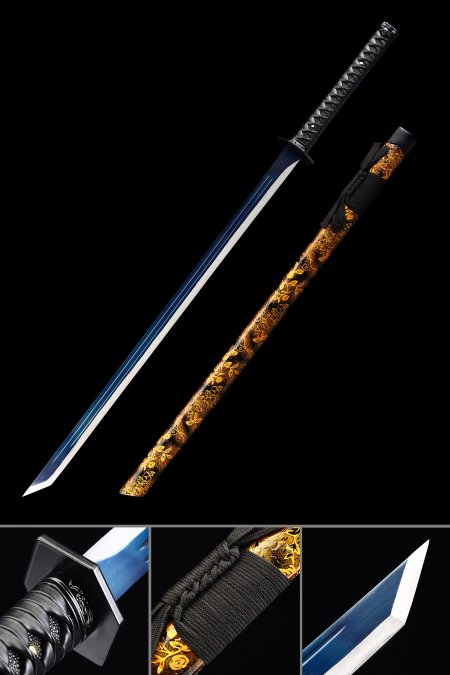
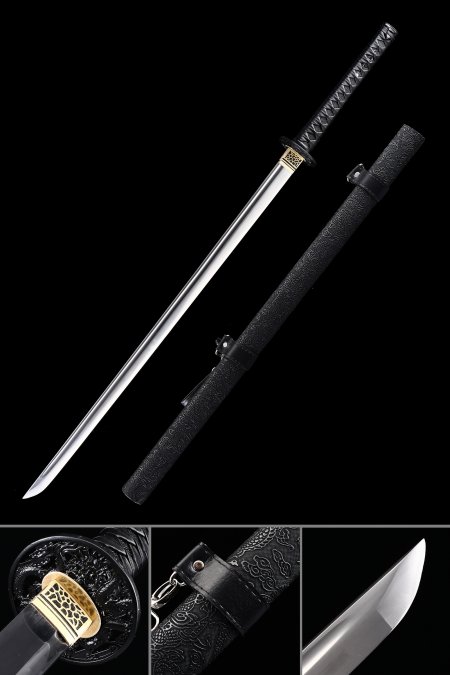
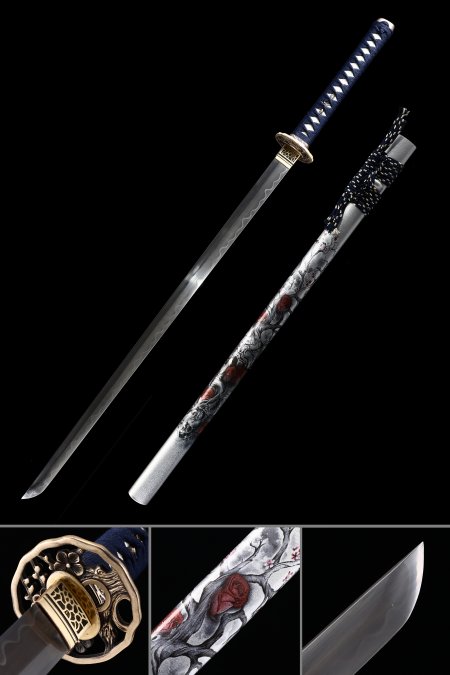
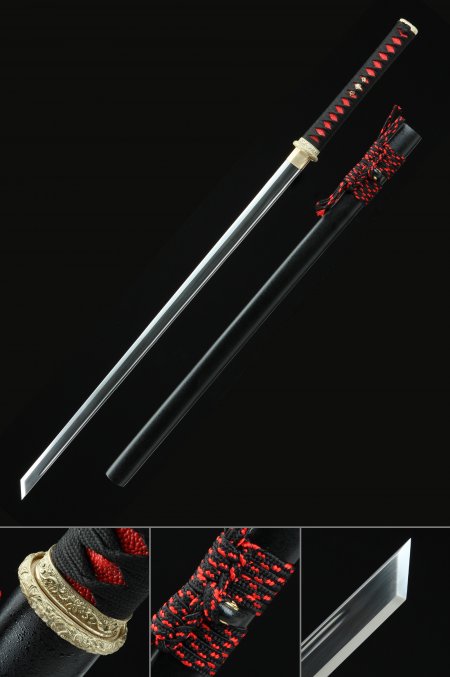
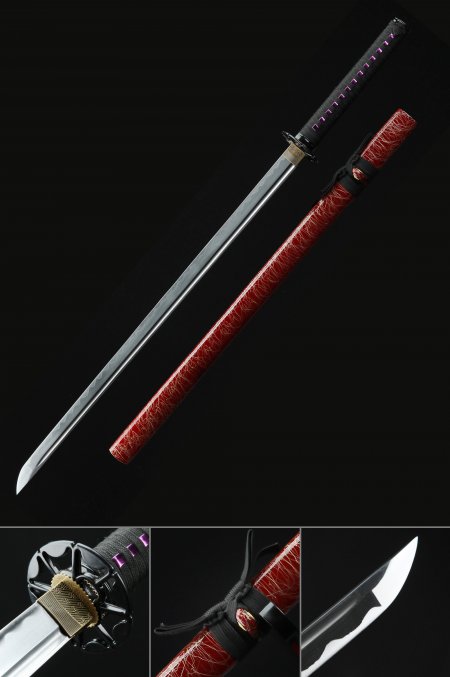
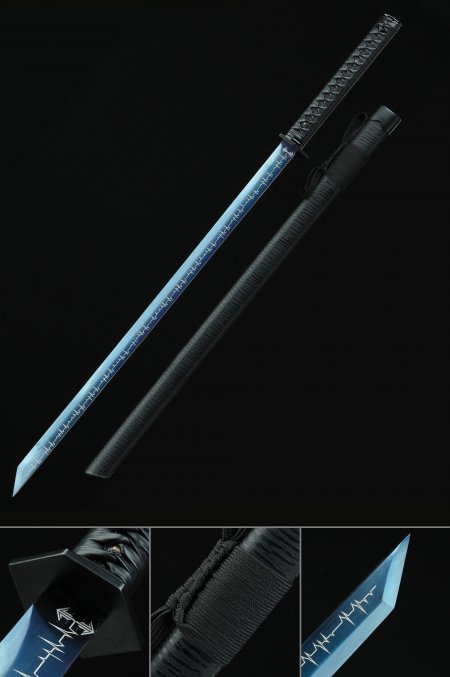
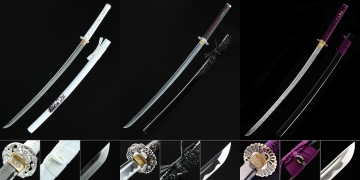
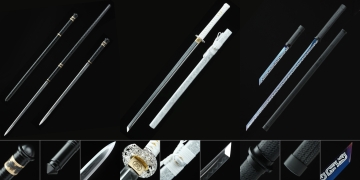
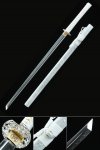
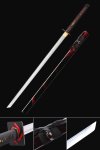
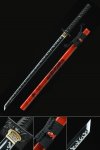
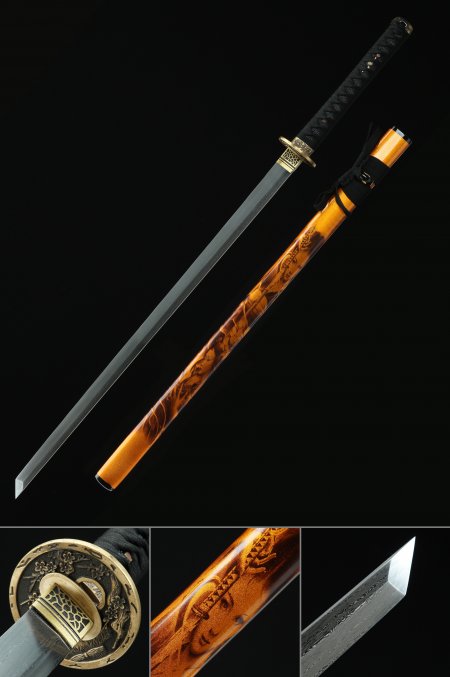
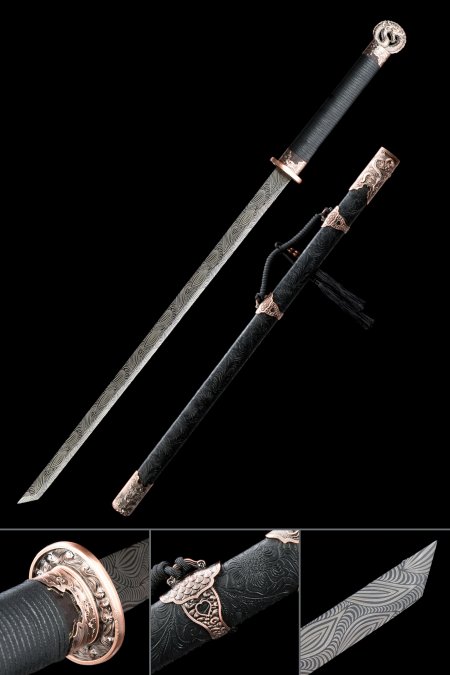
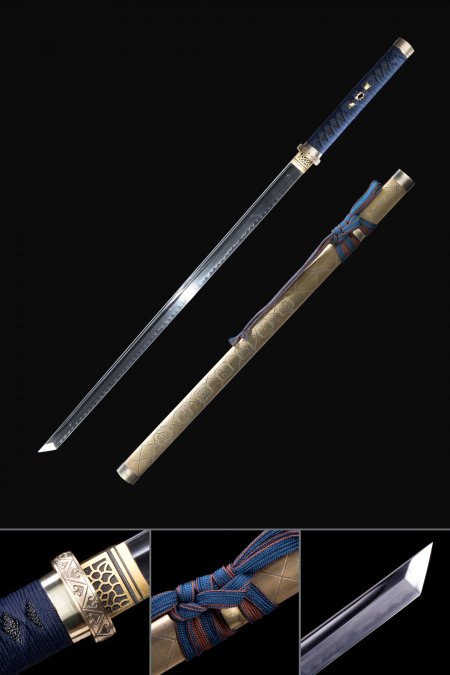
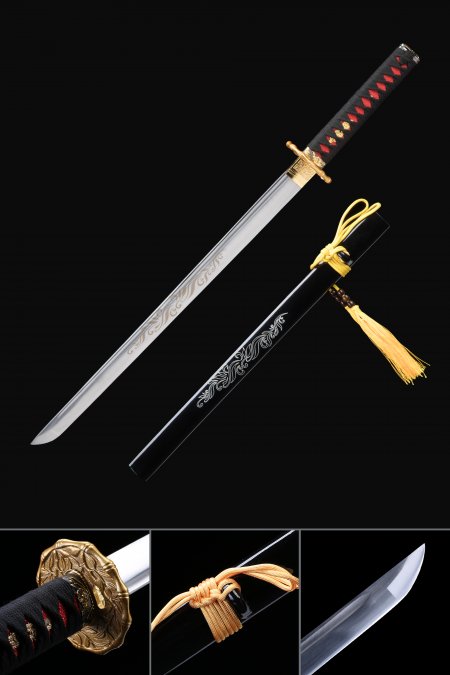
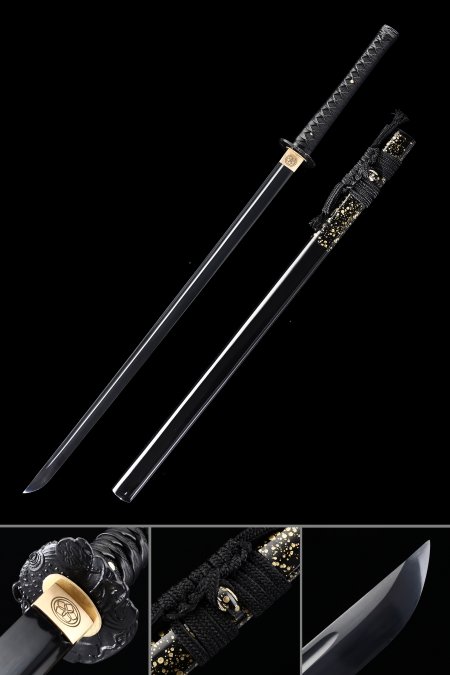
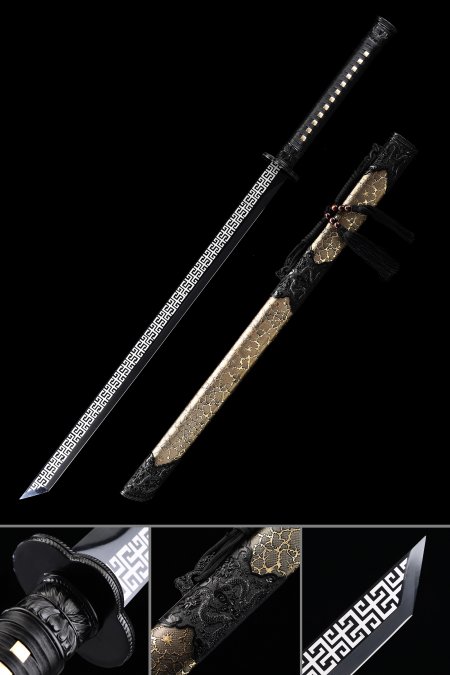
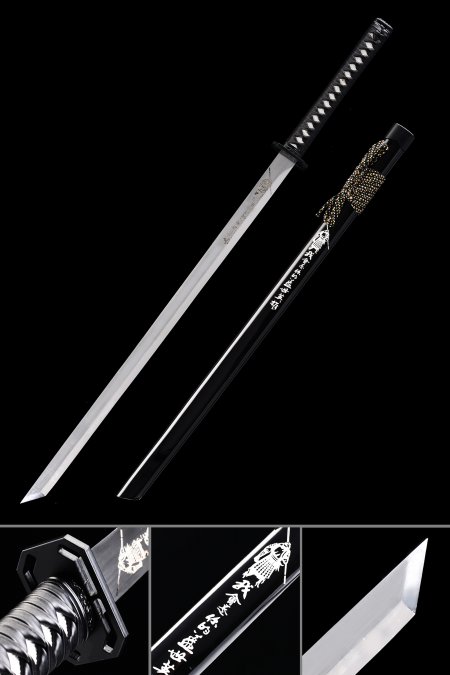
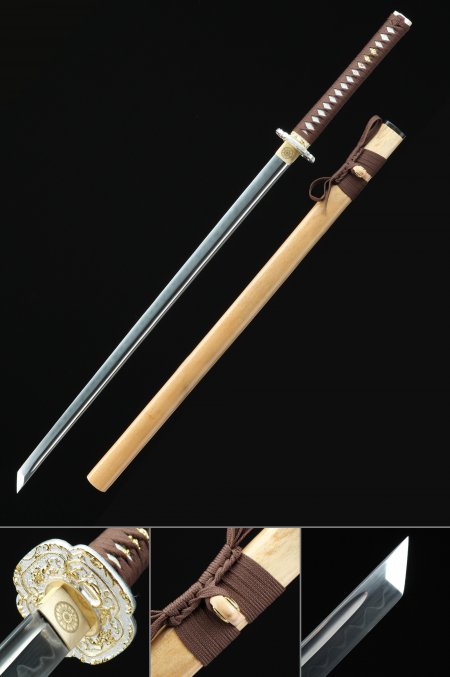
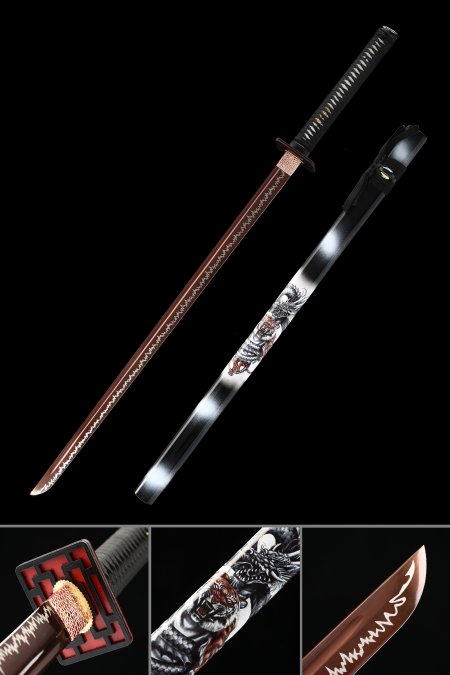
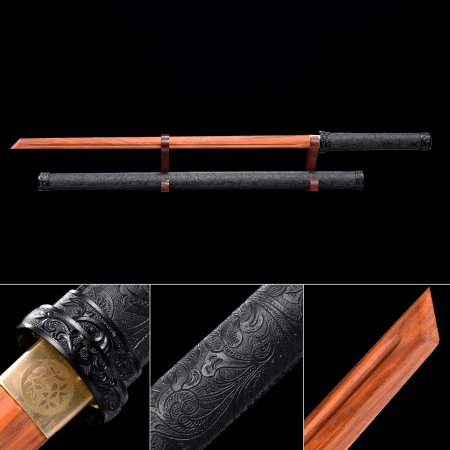
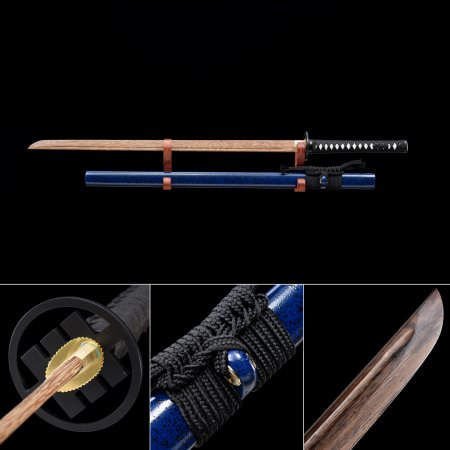
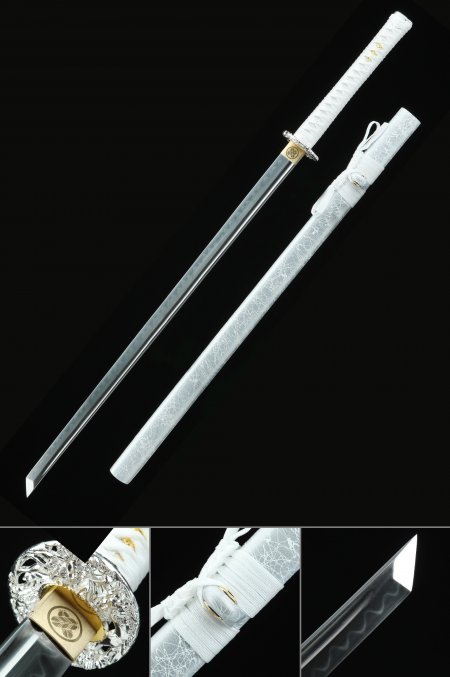
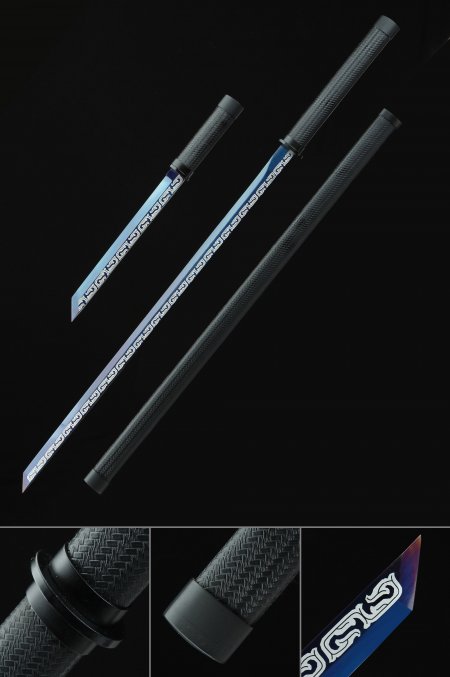
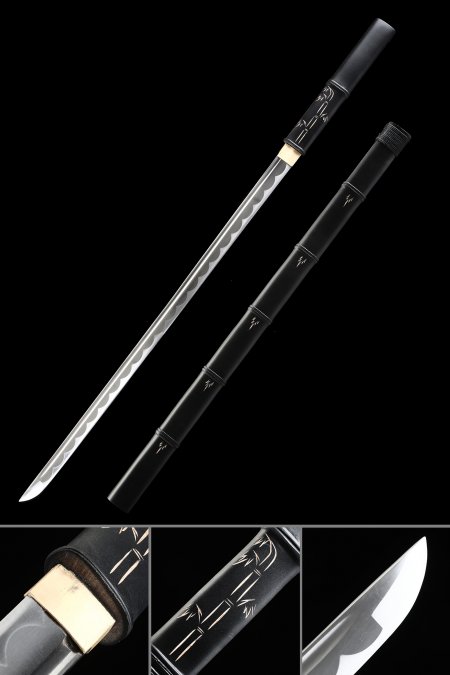
The Antique Chokuto collection brings together straight-bladed swords rooted in Japan's pre-curved sword tradition, each piece rendered with careful attention to historical proportion, steel selection, and period-appropriate fittings. From clay-tempered T10 blades with genuine hamon to full-tang carbon steel constructions dressed in hand-lacquered hardwood saya, every sword in this collection reflects the restrained aesthetic that defined early Japanese craftsmanship. These pieces are offered as collectibles and display specimens for serious enthusiasts who value authenticity over ornament. Enjoy free standard shipping on your order, backed by our straightforward return policy.
Showing 47 Products

Related Collections

Katana Sword119 items


1685 Reviews

Straight Blade Katana22 items


11 Reviews

Chokuto Ninja Sword45 items


315 Reviews

Chokuto Training Sword44 items


290 Reviews

Frequently Asked Questions

What makes the chokuto different from a katana?
The most immediate difference is geometry. A chokuto has a completely straight blade, while the katana features a pronounced curve (sori) that developed during the late Heian period as Japanese cavalry tactics evolved. The chokuto predates the katana by several centuries and was influenced by Chinese and Korean blade designs rather than emerging organically from Japanese smithing tradition. Its straight profile results in different handling characteristics and a distinctly austere visual presence that many collectors find more historically compelling precisely because it represents the origin point of Japanese sword culture rather than its most celebrated era.
What is a real hamon, and why does it matter to collectors?
A hamon is the temper line that appears along the edge of a blade as a result of differential heat treatment. In the clay tempering process used on T10 steel chokuto in this collection, a smith applies clay in varying thicknesses across the blade before the quench. The thinly coated edge hardens rapidly, while the clay-protected spine cools more slowly and retains toughness. The boundary between these two zones becomes visible after polishing as a misty, undulating line with microscopic crystalline activity. Collectors value a genuine hamon because it cannot be faked through acid etching with the same visual depth — an etched line lacks the nie (bright crystalline particles) and nioi (haziness at the boundary) that characterize a properly tempered blade. It is one of the most reliable visual indicators of authentic differential tempering.
How should I store a chokuto to preserve its condition?
Carbon steel blades — whether 1045 or T10 — are susceptible to surface oxidation if left unprotected. For long-term display or storage, apply a light coat of choji oil or food-grade mineral oil to the blade every few months, or more frequently in humid climates. Store the sword horizontally or at a shallow angle with the edge facing upward if using a traditional stand. Avoid airtight cases without desiccant packs, as trapped humidity accelerates rust. When handling, use cotton gloves or wipe down the blade afterward — the oils from skin contact are acidic enough to etch carbon steel over time. The lacquered hardwood saya provides some protection in storage, but do not leave the blade sheathed for extended periods without periodic inspection.
Is a full-tang build better for a display collectible?
For a collectible intended for display rather than use, full-tang construction signals a higher standard of overall build quality. When the steel extends the full length of the handle, the smith and assembly team must execute tighter tolerances throughout the piece — the handle material, pinning, and wrap all have to be fitted precisely. In practical terms for a wall-mounted or stand-displayed chokuto, this means the handle is less likely to loosen over time as wood and wrap materials respond to seasonal humidity changes. It also adds meaningful weight and balance to the assembled piece, which affects how the sword reads visually and physically when taken from its saya. Several pieces in this collection specify full-tang construction explicitly, which is worth prioritizing if build integrity matters to your collecting criteria.
What display setting suits an antique chokuto best?
The chokuto's straight, unadorned silhouette reads exceptionally well in minimalist display contexts — a horizontal wall mount against a natural wood or stone surface, or a two-tier floor stand that shows both the blade and saya simultaneously. Because the blade lacks the dramatic curve of later Japanese swords, lighting placement matters: a direct side light or angled spot will bring out hamon activity and steel grain in a way that overhead ambient light will not. Thematically, an antique chokuto pairs naturally with Nara or Heian period reference materials, bronze mirror reproductions, or other pre-medieval Japanese artifacts. For collectors building a chronological display of Japanese blade history, the chokuto makes an ideal starting point — it anchors the narrative before the curved blade forms that most viewers already recognize.

Customer Reviews