Free Shipping
359.00 USD

Every 1095 carbon steel katana in this collection is hand-forged from one of the highest carbon grades available in traditional sword making. With a carbon content of approximately 0.95 percent, 1095 steel delivers exceptional hardness, outstanding edge retention, and the ability to produce a vivid natural hamon line through clay tempering. These katana are built for collectors and practitioners who demand real cutting performance from a blade that holds its edge through repeated use. Each sword features full-tang construction, traditional fittings, and a hand-sharpened edge ready for display or tameshigiri practice.
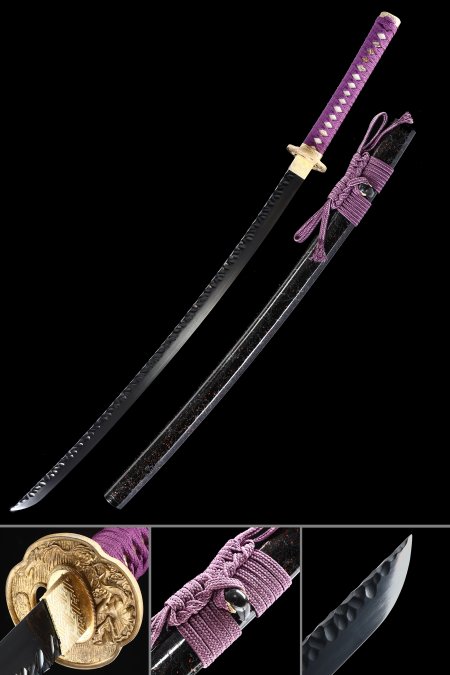
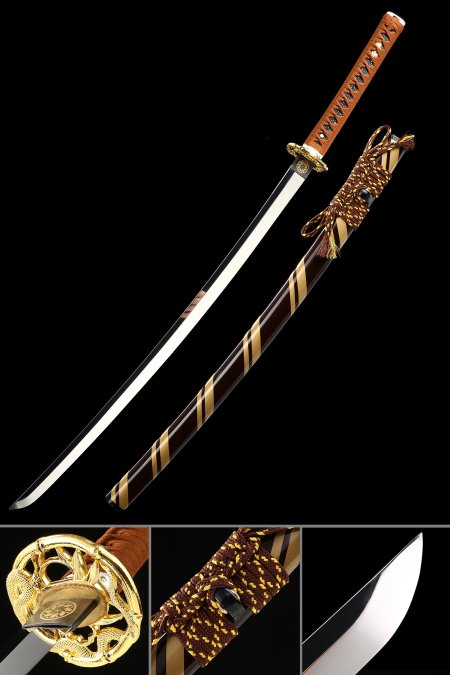
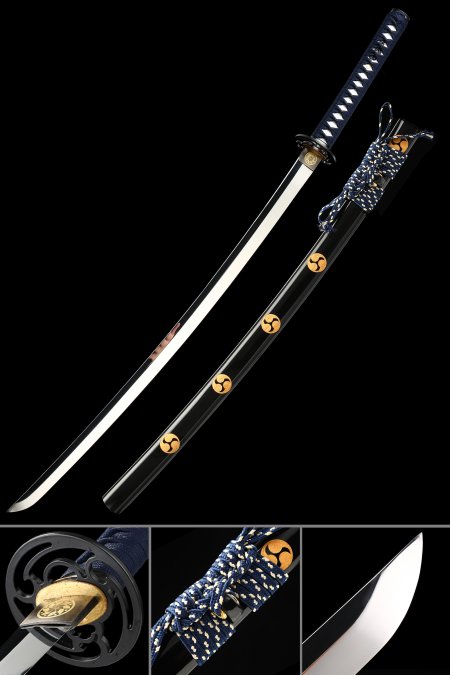
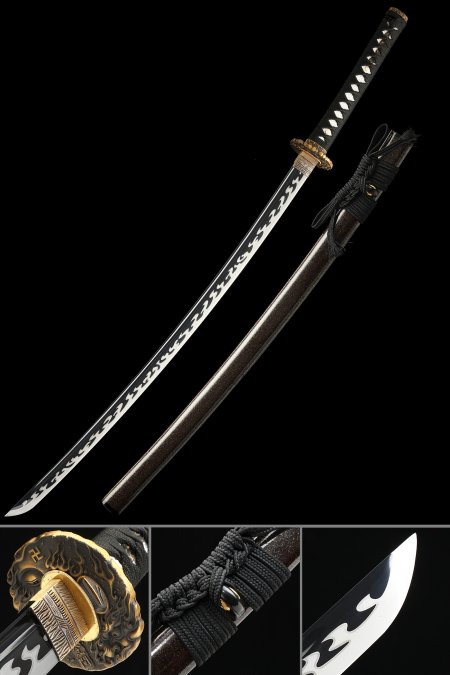
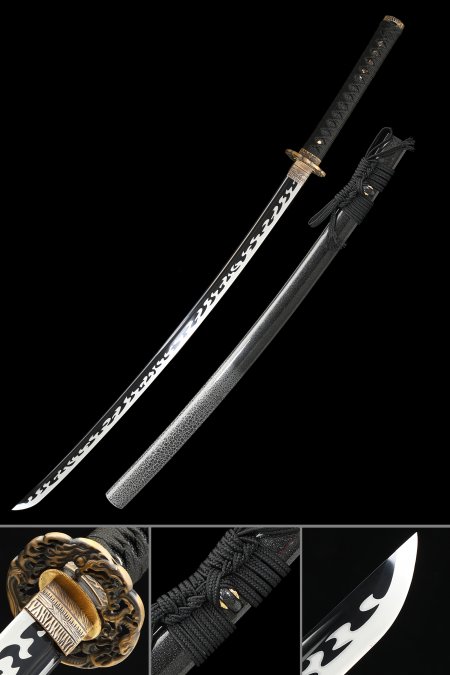
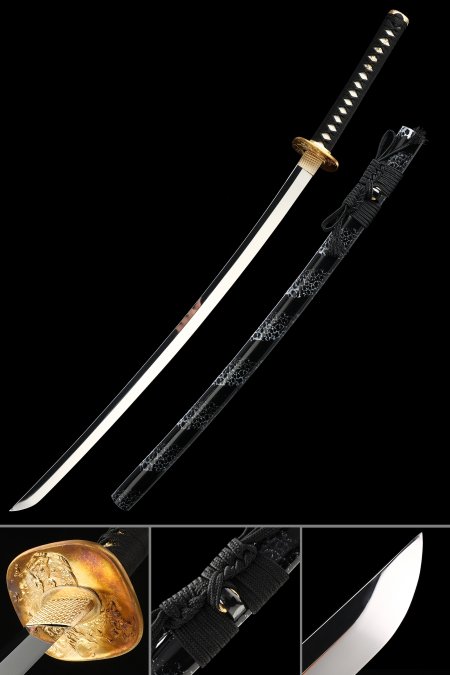
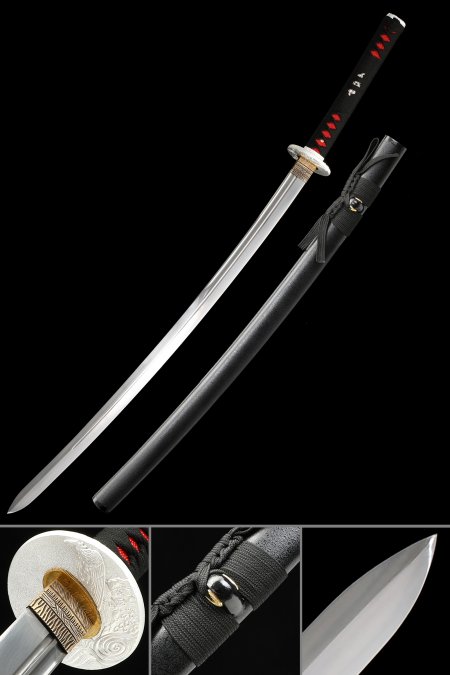
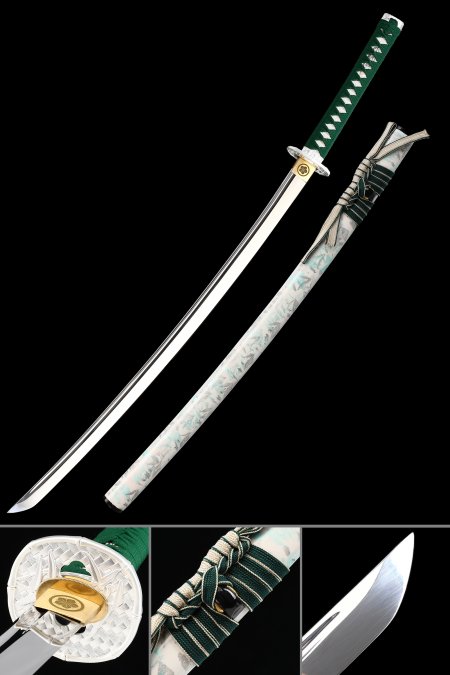
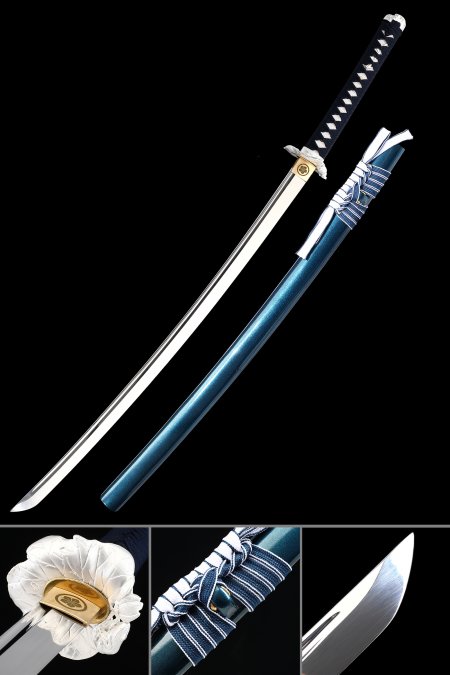
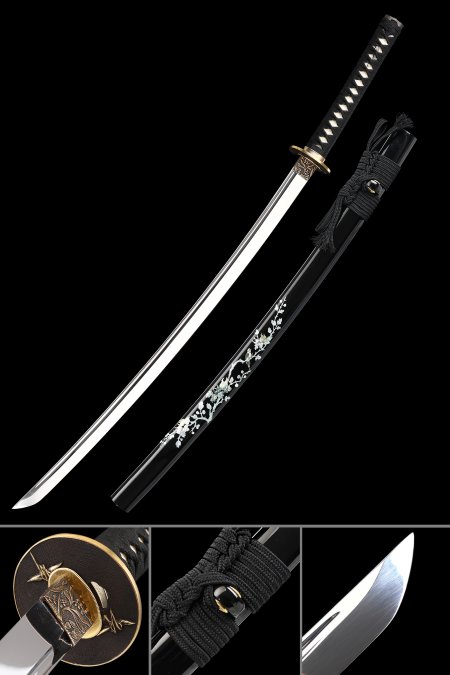
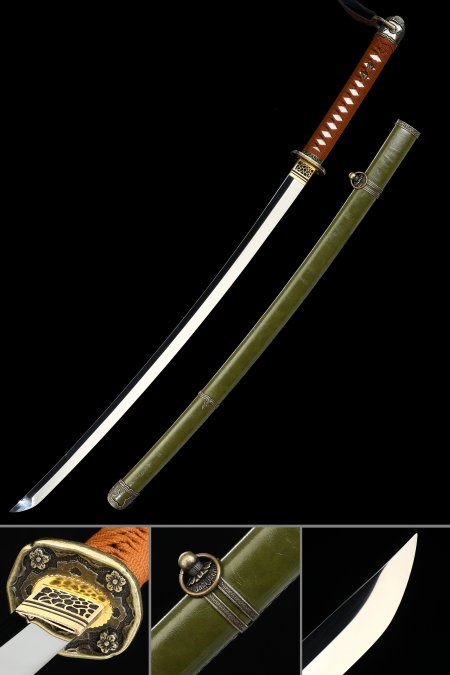
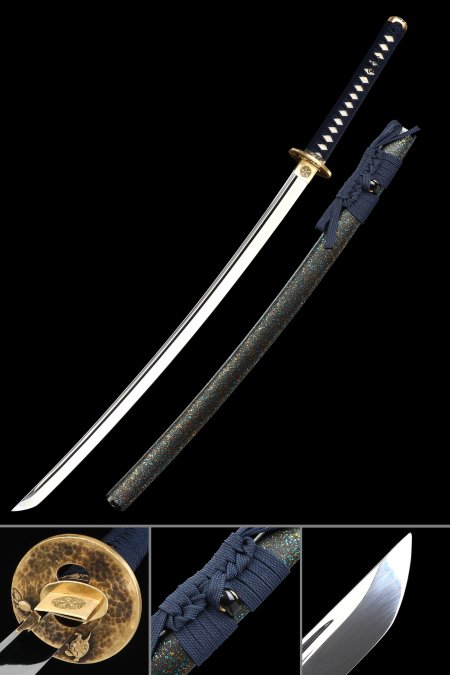
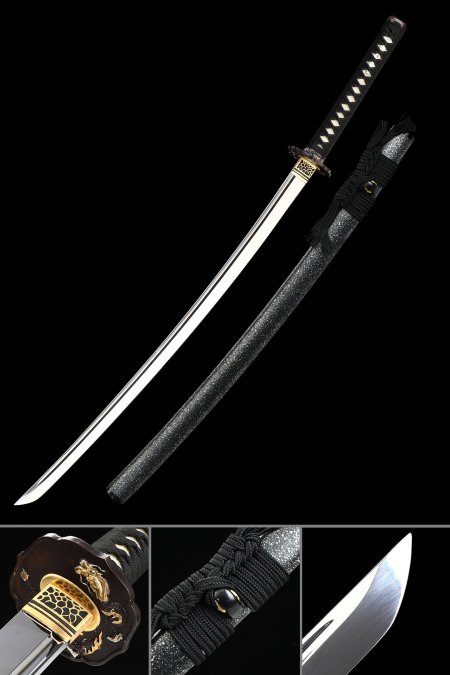
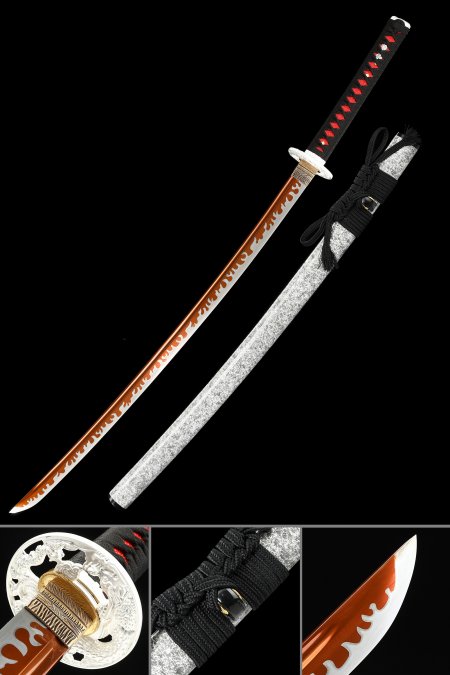
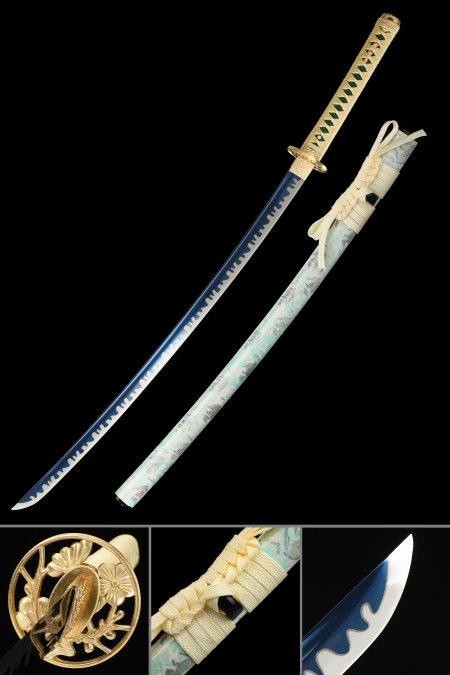
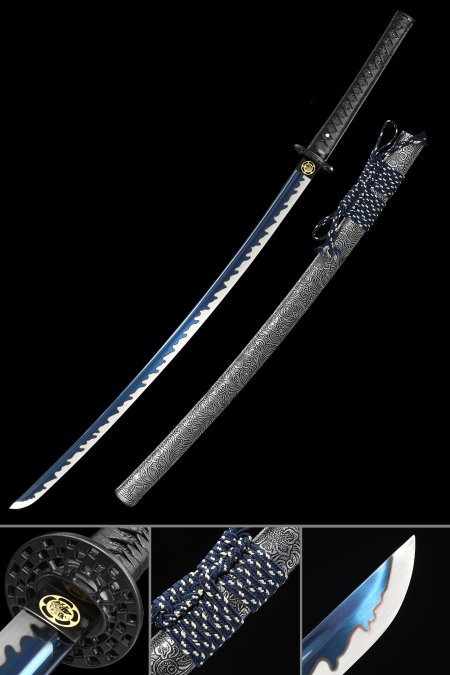
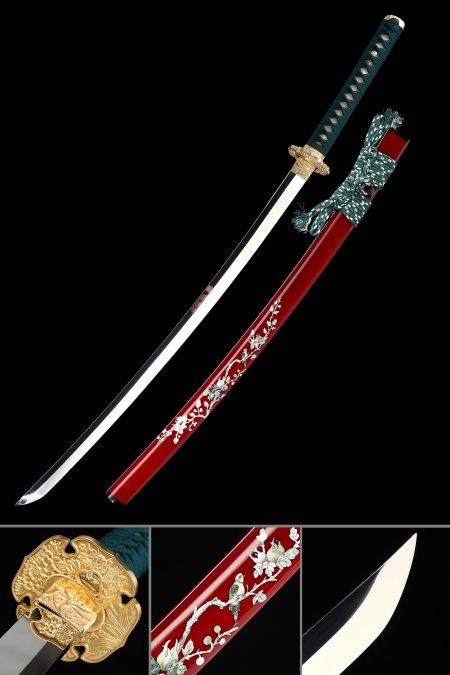
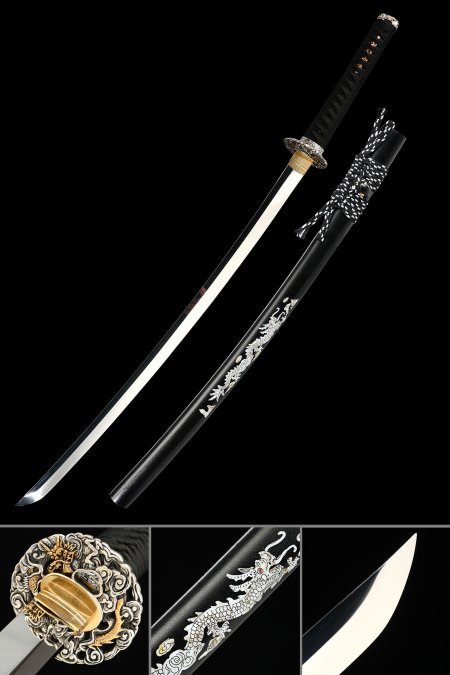
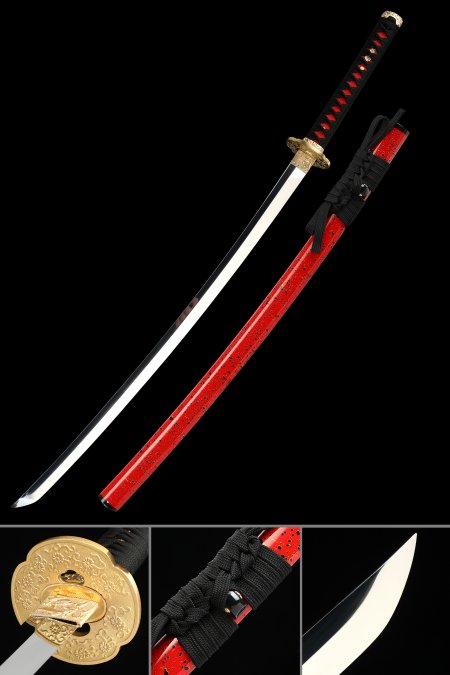
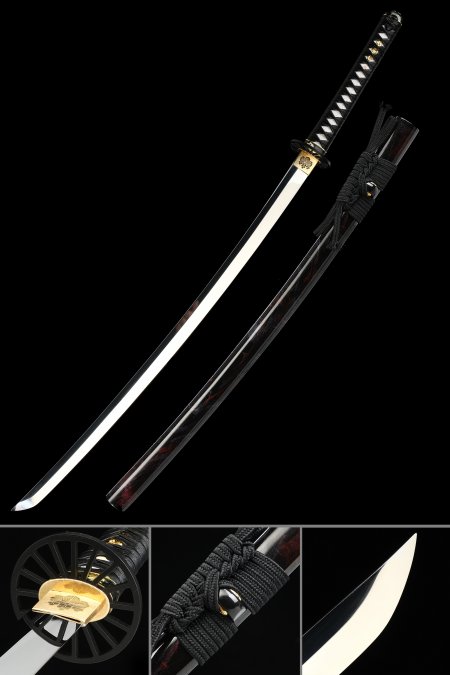
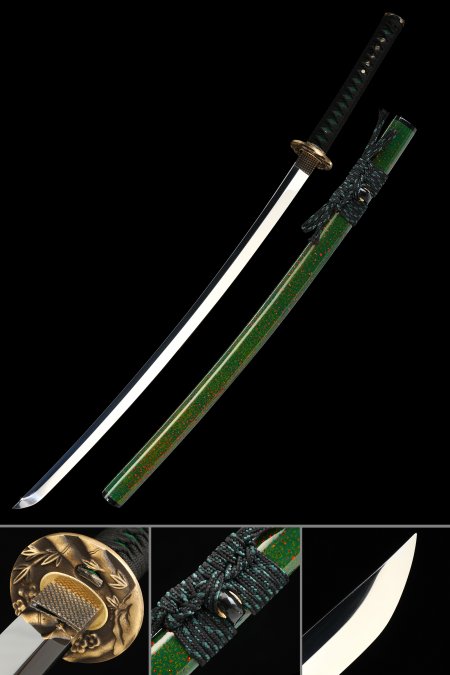
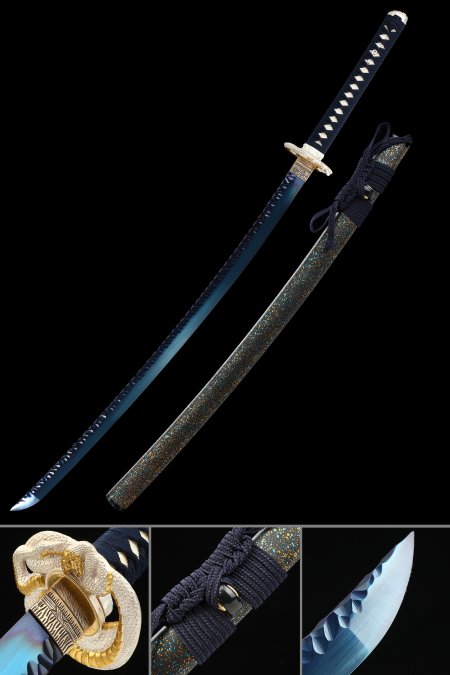
1095 carbon steel is a high-carbon steel alloy containing approximately 0.95 percent carbon and small amounts of manganese, with no significant alloying elements beyond these. The "10" in the designation indicates it belongs to the AISI 10xx series of plain carbon steels, and the "95" refers to the approximate carbon content in hundredths of a percent. This places 1095 at the upper end of the carbon range used in sword making, where the high carbon concentration enables the steel to achieve exceptional hardness through heat treatment. When properly quenched and tempered, a 1095 blade reaches a Rockwell hardness of 60 to 62 HRC at the edge, which gives it outstanding ability to hold a sharp cutting edge through repeated use. This hardness level is comparable to the edge hardness found in traditionally forged Japanese swords made from tamahagane, the legendary smelted steel used by historical swordsmiths. The trade-off for this hardness is that 1095 is a relatively brittle steel compared to lower-carbon options like 1060, meaning it can chip if subjected to heavy lateral impacts or poor cutting technique. However, clay tempering solves this problem by creating a hard edge and a softer spine, giving the blade both cutting performance and structural resilience. For samurai swords, 1095 represents the premium tier of plain carbon steel, sitting above 1045 and 1060 in terms of edge performance while remaining more affordable than Damascus, folded, or tamahagane steel options. The steel is also highly responsive to polishing, developing a bright, reflective surface that showcases the hamon temper line beautifully. Buyers who choose a 1095 katana are selecting one of the best-performing blade materials available in the Japanese sword market for functional use and collector display alike. The combination of affordability relative to exotic alloys, exceptional edge performance, and the ability to produce a stunning natural hamon through clay tempering makes 1095 carbon steel the go-to choice for enthusiasts who want a blade that performs at the highest level of the plain carbon steel category. Whether your primary interest is cutting practice, historical appreciation, or building an impressive display collection, a 1095 katana delivers the steel quality that supports all of these goals with confidence and authenticity that cheaper alternatives simply cannot match.
1095 carbon steel is one of the best plain carbon steels available for a functional katana, and it is widely regarded among sword enthusiasts as the top-tier choice in the carbon steel category. The high carbon content provides the hardness needed for excellent edge retention, which is the single most important performance characteristic for a cutting sword. A 1095 katana will hold its sharpness through multiple tameshigiri sessions before needing any edge maintenance, outperforming both 1045 and 1060 steels in this regard. The steel also responds exceptionally well to clay tempering, producing vivid, well-defined hamon lines that are both visually stunning and functionally meaningful. The hamon marks the boundary between the hard edge and the softer spine, and on 1095 this transition is particularly dramatic because the high carbon allows for a greater differential in hardness between the two zones. The main consideration when choosing 1095 is that its hardness comes with reduced toughness compared to 1060. This means a 1095 blade is slightly more susceptible to edge chipping if the practitioner delivers cuts with poor alignment or strikes hard targets at an angle. For experienced cutters who have developed proper technique, this is rarely an issue. For beginners, a T10 Carbon Steel Katana or a reliable 1060 model may be a more forgiving starting point until cutting skills are refined. That said, the vast majority of 1095 katana owners report excellent satisfaction with their blade's performance across all typical use scenarios including display, collection, light cutting practice, and serious tameshigiri training. The steel delivers premium performance at a price point well below exotic multi-steel constructions, making it an outstanding value for anyone who wants a Best Katana level blade without the cost of Damascus or folded steel. The steel's proven track record across thousands of satisfied owners worldwide confirms that 1095 delivers reliable, high-level performance for both casual collectors and dedicated cutting practitioners who demand the most from their blade without compromise on edge quality, heat treatment integrity, or long-term durability under regular use in both cutting practice and display environments where only the finest blade materials are acceptable.
A properly heat-treated 1095 carbon steel katana typically achieves a Rockwell hardness of 60 to 62 HRC at the cutting edge, which places it among the hardest functional sword blades available in modern production. To put this in context, a standard kitchen knife usually ranges from 56 to 58 HRC, and most 1060 carbon steel katana achieve 58 to 60 HRC. The additional two to four points of hardness that 1095 achieves may seem small numerically, but on the Rockwell scale the difference is significant in practical terms. Each point of HRC represents a meaningful increase in the steel's resistance to deformation, which translates directly into how long the edge stays sharp during cutting. When clay tempering is applied, the spine of a 1095 katana is typically in the range of 38 to 42 HRC, creating a dramatic hardness differential of approximately 20 points between edge and spine. This differential is what gives the blade its combination of cutting authority and structural resilience. The hard edge cuts cleanly and holds its geometry, while the softer spine absorbs shock and flexes slightly rather than cracking when the blade encounters resistance. This is the same principle that made traditionally forged Japanese swords so effective, and 1095 replicates that performance profile faithfully. A Real Hamon Katana in 1095 steel will display the physical evidence of this differential hardening in the form of the visible temper line along the blade, confirming that the heat treatment was performed correctly and that the blade has genuine performance characteristics rather than merely cosmetic markings. The hardness of 1095 also means the blade can be sharpened to an extremely fine angle and maintain that geometry under use, which is why many serious cutting practitioners consider 1095 the minimum steel grade for Authentic Japanese Katana performance in a modern production sword. When evaluating hardness numbers, remember that the quality of the heat treatment matters as much as the steel grade itself, and a properly hardened 1095 blade from a skilled smith will outperform a poorly treated blade of any steel type, making the combination of premium material and expert craftsmanship the true measure of a katana's cutting potential and long-term value.
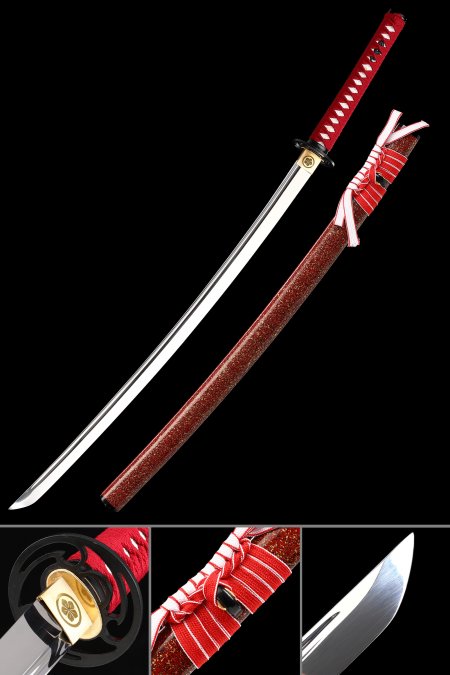
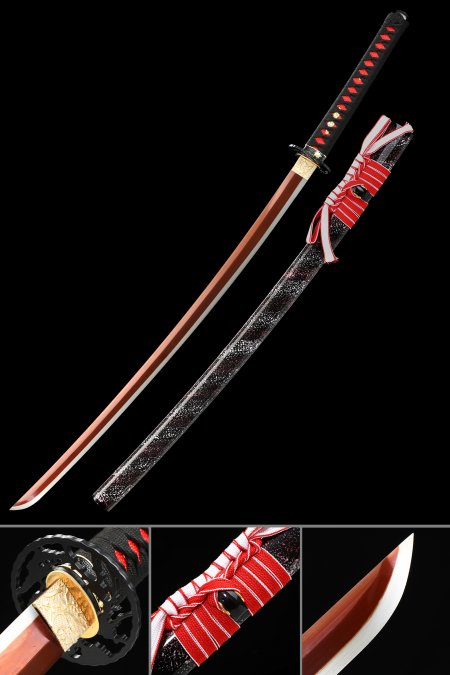
Yes, a 1095 carbon steel katana is an excellent choice for tameshigiri cutting practice and is widely used by practitioners around the world for this purpose. The high hardness and superior edge retention of 1095 steel make it particularly well-suited to the repeated cutting that tameshigiri involves. A single practice session might include twenty or more cuts through rolled tatami mats, and a 1095 blade will maintain its sharpness throughout the session without the edge dulling or rolling the way a softer steel might. The key to successful cutting with a 1095 katana is proper technique, specifically maintaining correct edge alignment through the entire cutting arc. Because 1095 is harder and less flexible than 1060, it is less tolerant of off-angle cuts. If the edge strikes a target at a significant angle rather than cutting straight through, the hard edge can micro-chip rather than simply rolling as a softer steel would. For this reason, practitioners who are new to cutting should start with single-mat targets and focus on developing clean, aligned cuts before progressing to thicker or harder targets. A Red 1095 Carbon Steel Katana or any other color variant in the 1095 lineup is equally capable for cutting, as the performance comes entirely from the blade steel and heat treatment rather than the external fittings. After each cutting session, clean the blade immediately to remove moisture and organic residue from the targets, then apply a fresh coat of oil. Inspect the edge for any signs of damage, and if you notice minor chips or rolls, address them promptly with a fine stone before they worsen. With proper technique and regular maintenance, a 1095 katana will serve as a reliable tameshigiri cutting tool for years. The satisfaction of cutting cleanly through a target with a Traditional Katana blade that holds its edge cut after cut is one of the great pleasures of Japanese sword practice, and the superior edge retention of 1095 steel ensures that this satisfaction continues consistently throughout every training session without the frustration of a dulling edge slowing your progress or requiring constant maintenance between cuts that interrupts the flow and focus of your training routine.
The fundamental difference between 1095 and 1060 carbon steel katana comes down to the balance between hardness and toughness that each steel provides. 1060 steel contains approximately 0.60 percent carbon, while 1095 contains approximately 0.95 percent. This difference in carbon content shifts the performance profile of each steel in predictable ways. 1060 is tougher, meaning it is more resistant to chipping and more likely to flex and spring back from impacts rather than cracking or losing edge material. This makes 1060 an excellent choice for heavy-use cutting practice, martial arts training, and situations where the blade might encounter unexpected lateral forces. 1095, on the other hand, is harder, meaning it holds a sharper edge for longer and can be honed to a finer cutting geometry. This makes 1095 the better choice for practitioners who prioritize edge quality and cutting precision over raw durability. In terms of hamon quality, 1095 produces a more vivid and well-defined temper line than 1060 because the greater carbon content creates a more dramatic transition between the hard edge and soft spine zones during clay tempering. For collectors who value the hamon as a visual feature, this is a significant advantage. The price difference between the two steels is relatively modest, with 1095 typically commanding a small premium over 1060. Many serious practitioners own both, using a 1095 Carbon Steel Tachi Swords or katana for refined cutting sessions and display, and a 1060 blade for aggressive training and heavier targets. For buyers choosing between the two, the decision often comes down to intended use. If you plan to cut frequently and want maximum forgiveness, choose 1060. If you want the best possible edge and the most beautiful hamon from a plain carbon steel, choose 1095. Both are excellent functional sword steels, and either one will deliver genuine cutting performance in a Folded Steel Katana price range or below, making them outstanding values for anyone entering the world of Japanese sword collecting and practice. Ultimately, the best approach for many collectors is to own examples of both steels, allowing direct comparison and ensuring you have the right blade for every cutting scenario and display occasion.
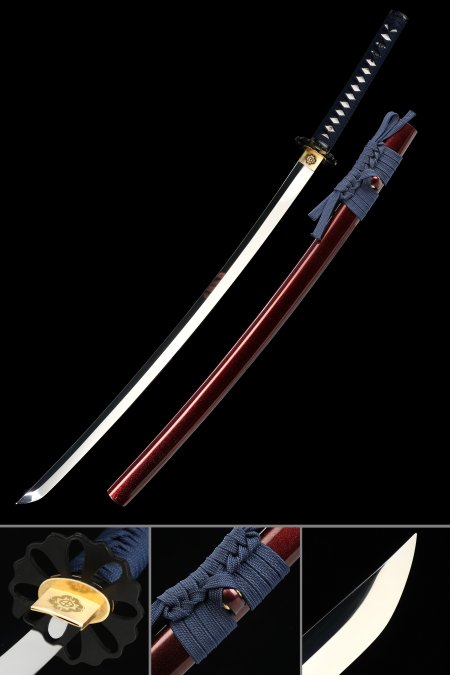
When a 1095 carbon steel katana is clay tempered, it will have a genuine, real hamon that is the physical result of differential hardening rather than a cosmetic etching or engraving. This is an important distinction because some lower-cost swords feature wire-brushed or acid-etched hamon lines that are purely decorative and have no relationship to the actual hardness profile of the blade. A real hamon on a 1095 blade indicates that the edge has been hardened to a significantly higher degree than the spine, creating a functional dual-hardness profile that improves cutting performance while maintaining blade resilience. The visual appearance of the hamon on 1095 steel is typically bright and well-defined, with the hard edge zone appearing as a milky, crystalline band that contrasts against the darker, softer steel of the spine. The pattern of the hamon varies from blade to blade because it depends on how the clay was applied before quenching, and common patterns include suguha (straight), midare (irregular wavy), notare (gentle waves), and gunome (repeating semicircles). Because 1095 has such a high carbon content, the hamon tends to be more visible and more vivid than on lower-carbon steels, which is one reason collectors gravitate toward this steel grade. A Blue 1095 Carbon Steel Katana with its colored saya and fittings paired with a natural hamon blade creates a striking contrast between the decorative external presentation and the authentic martial craftsmanship of the blade itself. It is worth noting that not all 1095 katana are clay tempered. Some are through-hardened, meaning the entire blade is uniformly hard, and these will not display a hamon. When shopping, look for the specific mention of clay tempering or differential hardening in the product description to ensure you are getting a blade with a genuine hamon. A White 1095 Carbon Steel Katana with clean white fittings and a clay-tempered blade makes the hamon line especially prominent, creating an elegant presentation that highlights this traditional feature of Japanese blade craft. Regardless of which color or fitting combination you choose, ensuring that the blade is genuinely clay tempered is the single most important factor in getting a katana with a real hamon that reflects authentic craftsmanship and delivers the differential hardness profile that defines a properly made Japanese sword.
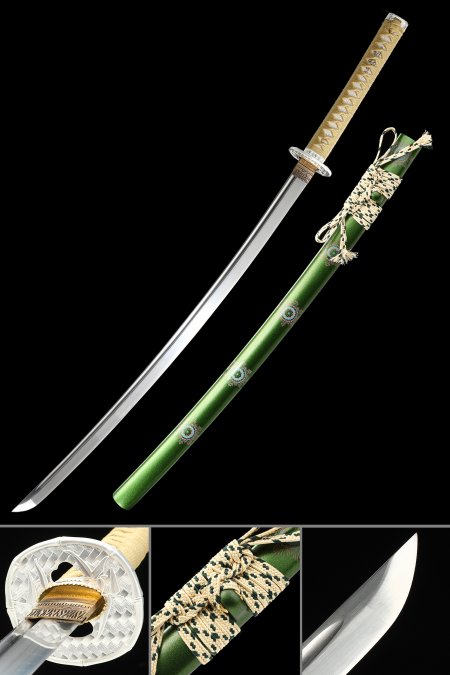
Maintaining a 1095 carbon steel katana requires consistent but simple care to prevent the rust that all high-carbon steels are susceptible to when exposed to moisture and air. The most important maintenance habit is oiling the blade after every handling session. Even briefly touching the blade transfers oils, moisture, and salts from your skin onto the steel surface, and these can initiate rust formation within hours in humid conditions. After handling, wipe the blade with a clean, soft cotton cloth to remove all fingerprints and residue, then apply a thin, even coat of choji oil or food-grade mineral oil using a separate clean cloth. Cover the entire blade surface from the habaki collar to the kissaki tip, ensuring no bare steel is left exposed. If you have used the katana for cutting, the cleaning step is even more critical because tatami mats and other organic targets leave moisture and fibers on the blade that can accelerate corrosion. Rinse the blade gently with warm water if necessary to remove stubborn residue, dry it immediately and thoroughly, then oil as usual. Storage conditions matter significantly for 1095 steel. Keep the sword in a room with stable temperature and moderate humidity, and avoid locations near exterior walls, windows, or heating vents where temperature fluctuations can cause condensation on the blade. The saya itself provides some protection, but it can also trap moisture against the blade if the sword is stored in a humid environment for extended periods. A Green 1095 Carbon Steel Katana or any variant should be removed from its saya periodically during storage to check for moisture and re-oil if necessary. If you discover early-stage rust as small orange or brown spots, remove them promptly with a fine-grade rust eraser or very fine steel wool, then re-oil the affected area. Addressing rust immediately prevents it from pitting the blade surface, which would require professional polishing to repair. With consistent care, a 1095 blade will maintain its polished finish and sharp edge for a lifetime, developing a subtle patina over the years that many collectors consider a mark of character and authentic use that enhances rather than diminishes the sword's beauty and value as a Brown 1095 Carbon Steel Katana or any other 1095 model.
Both 1095 and T10 are premium high-carbon steels that deliver excellent performance in katana blades, and the choice between them depends on your specific priorities. 1095 is a plain carbon steel with approximately 0.95 percent carbon and no significant alloying elements beyond manganese. T10, also known as W-2 in some classification systems, contains a similar amount of carbon but adds approximately 0.25 to 0.35 percent tungsten to the alloy. This tungsten addition gives T10 two key advantages over 1095. First, the tungsten refines the grain structure of the steel during forging and heat treatment, producing a slightly tougher blade at the same hardness level. Second, the tungsten improves wear resistance, meaning a T10 edge will stay sharp marginally longer than a 1095 edge under identical cutting conditions. In practical terms, the performance difference between the two steels is modest, and most practitioners would be unable to distinguish between them in a blind cutting test. Both achieve similar hardness levels, both respond excellently to clay tempering, and both produce vivid natural hamon lines. The main area where 1095 has an advantage is price. Because T10 contains an alloying element that increases material and processing costs, T10 katana typically carry a slightly higher price tag than equivalent 1095 models. For buyers on a budget who want the highest possible edge performance, 1095 delivers outstanding value. For those willing to invest a bit more for the marginal improvements in toughness and wear resistance that tungsten provides, a 1095 Carbon Steel Tanto paired with a T10 katana creates a collection that showcases both steel types. The honest assessment is that both steels are excellent, both will serve you well for cutting and display, and neither is dramatically superior to the other. Choosing between them is more about personal preference and budget than about any meaningful difference in real-world cutting performance, and either steel places you firmly in the top tier of carbon steel katana quality. For collectors interested in exploring beyond plain carbon steel entirely, a Damascus Steel Katana with its layered construction and dramatic surface patterns offers yet another dimension of blade craft, though at a higher price point that reflects the additional forging complexity involved in creating a multi-layer composite blade.
A 1095 carbon steel katana can be an excellent choice for a beginner who is serious about Japanese sword collecting or practice, though it does come with some considerations that newer owners should understand before purchasing. The primary consideration is that 1095 is a high-carbon steel that requires regular oiling and moisture protection to prevent rust. Beginners who are not yet in the habit of maintaining their blades may find a 1095 sword develops surface rust quickly if it is handled and then put away without proper cleaning and oiling. Establishing a consistent maintenance routine from day one is essential, and the good news is that the routine is simple and takes only a few minutes per session. The second consideration is cutting technique. Because 1095 is harder and less flexible than lower-carbon steels, it is less forgiving of poor edge alignment during cutting. A beginner who is still developing their swing mechanics may experience minor edge chipping on a 1095 blade that would not occur on a more forgiving 1060 blade. For this reason, some instructors recommend starting with a 1060 katana for cutting practice and upgrading to 1095 once basic technique is established. However, many beginners start directly with 1095 and have no issues, particularly if they focus on proper form from the beginning and start with soft, single-layer cutting targets. On the positive side, a 1095 katana gives a beginner a genuinely premium blade from the start, with real cutting performance, a beautiful natural hamon, and the satisfaction of owning a sword that will remain relevant and impressive as their skills and collection grow. A Olive 1095 Carbon Steel Katana or any other variant in the collection provides that entry point into high-performance Japanese swords without requiring the significant investment of Damascus or folded steel. For beginners primarily interested in display and collection rather than cutting, 1095 is an outstanding first sword because it offers genuine blade quality and authentic Japanese sword characteristics that will impress from the moment it arrives. The key advice for beginners choosing 1095 is to commit to the maintenance routine and to respect the blade by developing proper handling and cutting skills gradually, treating the Marble 1095 Carbon Steel Katana or whichever model they select as a serious tool that rewards careful use with years of reliable performance and lasting beauty.
Yes, the 1095 carbon steel katana collection offers extensive customization options that allow you to create a sword tailored to your exact preferences for both performance and appearance. Customization begins with the blade itself, where you can specify the blade length, blade thickness, and the type of heat treatment. Clay tempering is the most popular choice because it produces the natural hamon line and the dual-hardness profile that maximizes the performance potential of 1095 steel. You can also request specific blade finishes such as a mirror polish for maximum reflectivity or a more matte, satin finish for a subdued, traditional look. Moving to the fittings, the tsuba hand guard can be selected from a wide range of designs including traditional iron tsuba with historical motifs, brass tsuba with gold-toned decorative work, and alloy tsuba with intricate three-dimensional scenes. The saya scabbard is available in multiple colors and finishes, from classic black lacquer to vibrant reds, blues, greens, and natural wood tones. The ito handle wrapping can be specified in silk or cotton, in colors that match or contrast with the saya, and the wrapping pattern can be adjusted to your preference. For a fully personalized touch, blade engraving allows you to add kanji characters, dragon horimono carvings, or other motifs to the blade surface. A Blue Blade 1095 Carbon Steel Katana takes customization to another level with a distinctive colored blade finish that turns the sword into a unique artistic piece while retaining the full cutting performance of the 1095 steel underneath. When building a custom 1095 katana, consider how the individual elements work together as a complete visual package. A cohesive color scheme and a consistent design theme across all fittings will produce a more impressive result than a random mix of options. And remember that the blade steel is the foundation of the sword's value, so investing in 1095 steel with proper clay tempering ensures that your customized katana performs as beautifully as it looks, delivering the kind of cutting authority and edge retention that makes a Katana And Wakizashi Set in 1095 a prized collection worth building around for years to come.
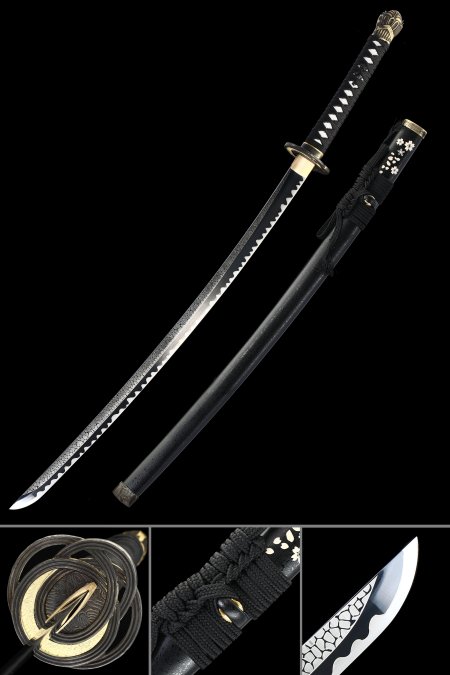
First thing is this is a sword for 150 and it is 1095 and ful tang that's a good start. Any collection has to have a kogarasumaru style blade which is beautifully polished and the grooves are perfect and it is quite sharp in the right places . The blade is very light but it feels powerful with to hands fast and deadly. The tsuba really stands apart among all the fittings, it is very solid and dense of quality alloy and almost 1/4 inch thick with good details . The tsuka ito is very tight and expertly done. The Saya arrived in perfect condition and is all well done and the fit is perfect being just tight enough. This sword is well worth the cost and the color scheme is subtle with a flash of silver like the blade just before you cut down your opponent.
 |
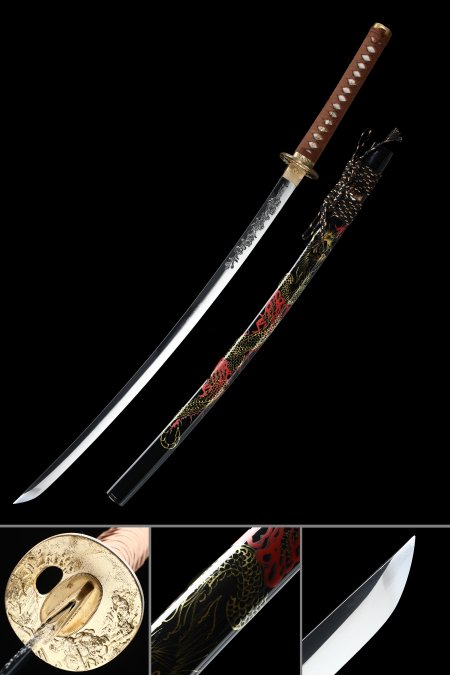
1095 Carbon Steel Full Tang Katana - Black Lacquer Saya, Dragon Tsuba, Black-Red Ito |